Future Procurement & Technology Trends in Surgical Limb Lengthening (2026–2030)
As AI-driven surgical robotics, intraoperative navigation, and telemetry converge, the global market for surgical limb lengthening devices is undergoing rapid transformation. Hospital procurement officers and distributors must align their supply strategies with these upcoming technological benchmarks:
1. Automated Telemetric Force Sensing & Real-Time Callus Monitoring
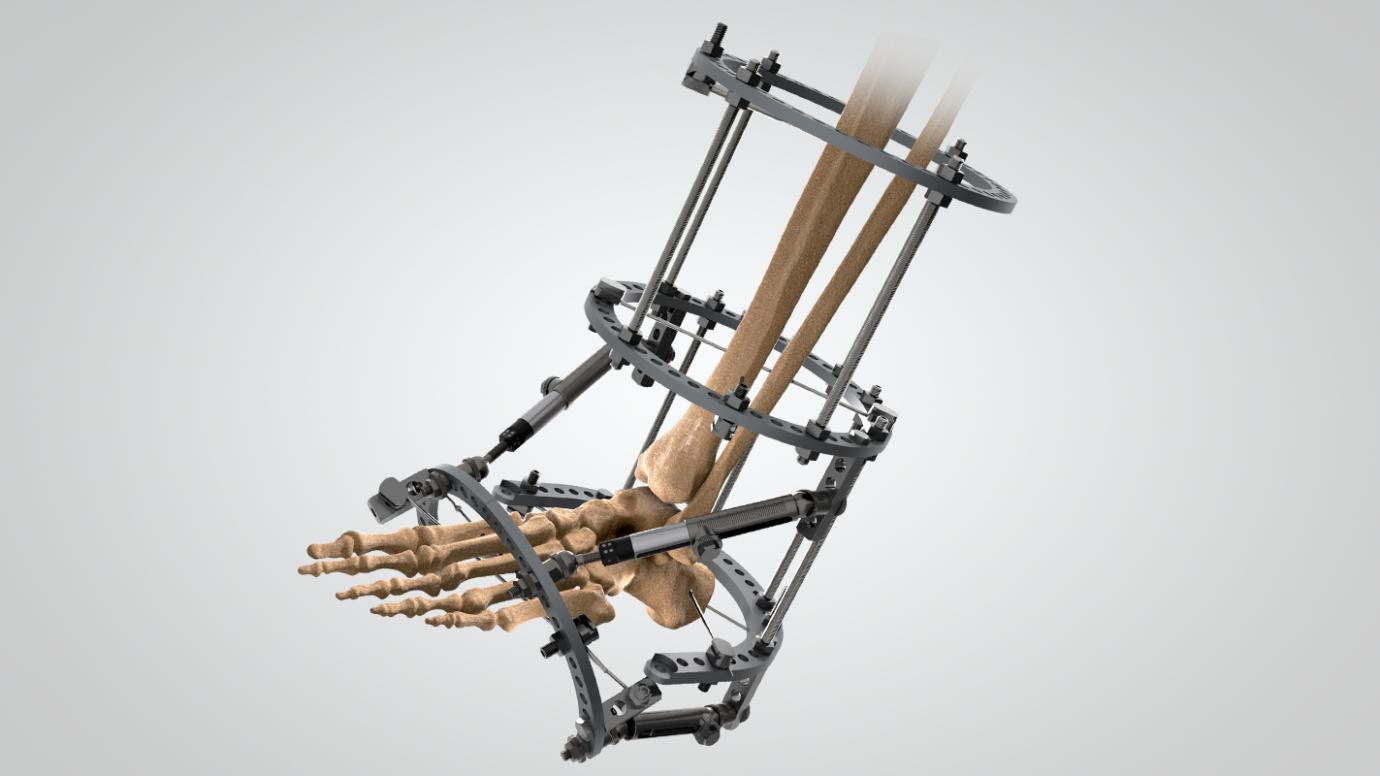
First-generation lengthening devices relied entirely on periodic X-rays to assess distraction gap callus formation. Next-generation intramedullary nails are embedding passive micro-electromechanical sensors (MEMS) into the titanium housing. These wireless sensors transmit real-time data regarding bone contact pressure, axial stiffness, and osteogenesis density directly to the surgeon's mobile application. Procurement departments should prioritize vendors offering digital health integrations that mitigate non-union risk.
2. Fully Load-Bearing Intramedullary Mechanisms
Historically, a major clinical bottleneck was the limited weight-bearing allowance during the distraction phase, requiring patients to rely on crutches or wheelchairs for up to 3 to 6 months. Advancements in finite element analysis (FEA) and high-yield titanium-molybdenum alloys have unlocked load-bearing internal rods capable of sustaining up to 100 kg of daily dynamic force without deforming the internal lead screw spindle mechanism.
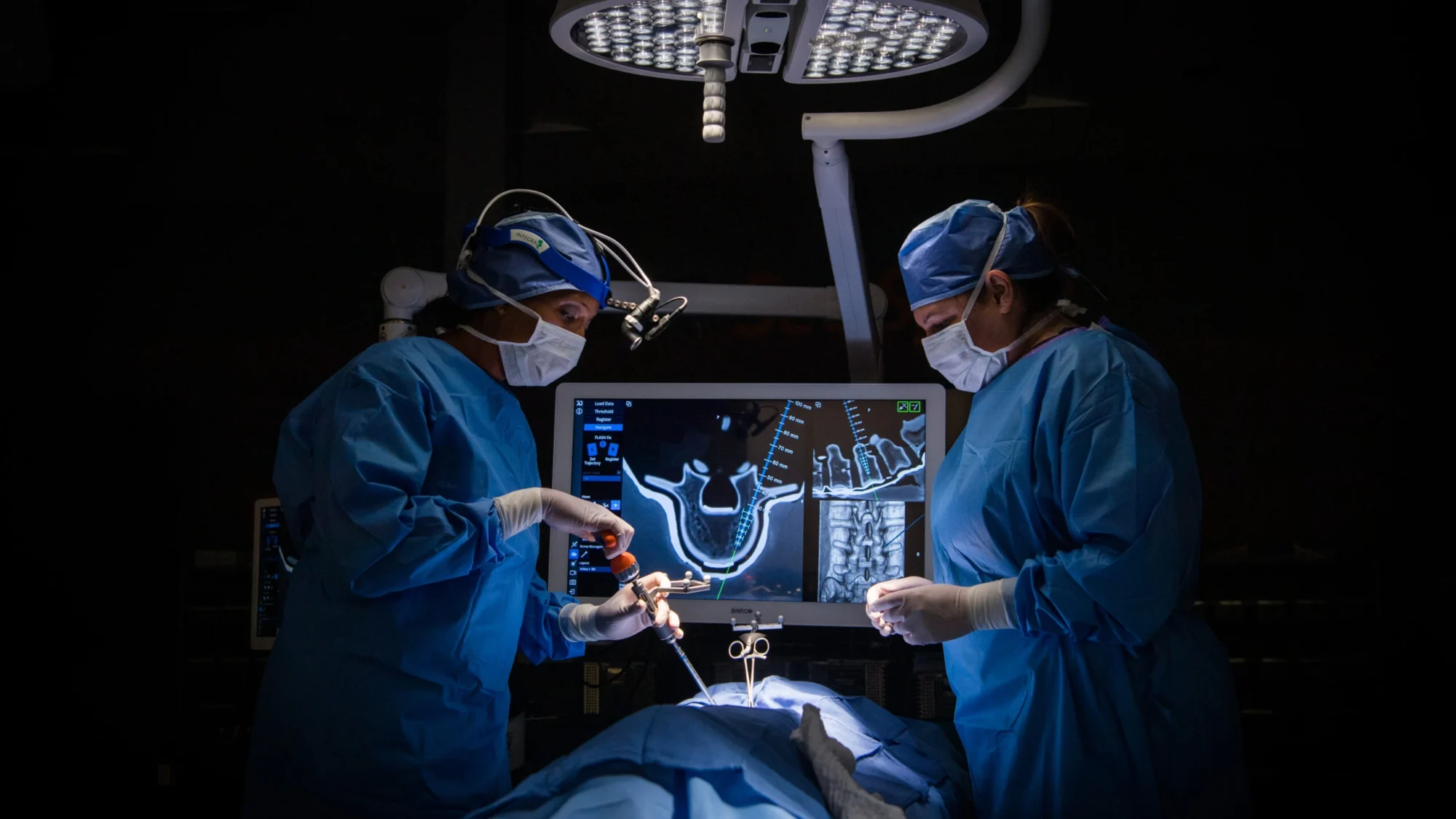
Figure 2: Integration of radiation-free 7D FLASH™ Surgical Navigation and machine-vision software for high-precision osteotomy registration during internal nail insertion.
3. Osseointegrative Surface Treatments & Antimicrobial Coatings
To ensure long-term stability and prevent aseptic loosening of locking screws or external half-pins, leading manufacturers are applying plasma-sprayed Hydroxyapatite (HA) and silver-titanium dioxide nanocomposite coatings. These bioactive surfaces accelerate cortical anchorage while actively inhibiting bacterial biofilm formation (such as Staphylococcus aureus).
4. Synergy with Biologic Fusion Accelerators
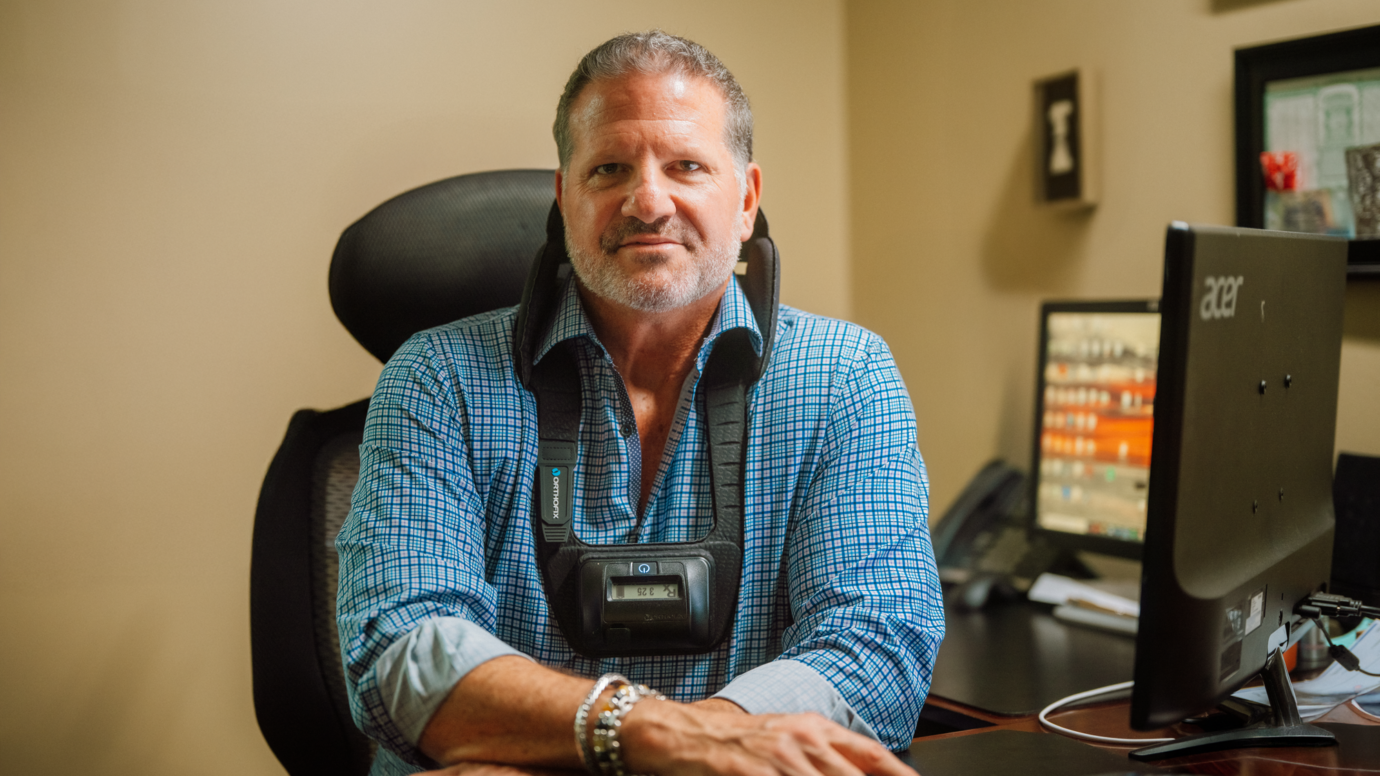
Distraction osteogenesis performance is heavily dependent on the biological environment of the osteotomy site. Modern clinical protocols combine surgical limb lengthening hardware with bone graft substitutes and demineralized bone matrices (DBM), such as Orthofix’s Accell Bone Matrix. Furthermore, non-invasive pulsed electromagnetic field (PEMF) devices are utilized post-operatively to stimulate osteoblast proliferation within the distraction gap, reducing consolidation index times by up to 25%.

Figure 3: Biological augmentation using osteoinductive matrix technologies to shorten consolidation times in distraction osteogenesis.