Global Market Outlook
Future Procurement & Supply Chain Trends in Osteobiologics (2026–2035)
The global orthobiologics market is undergoing a significant transformation driven by shifting demographic demands, regulatory tightening, and healthcare economics. Sourcing executives and clinical buyers must structure their supply chain strategies around five key emerging industry trends:
1. Transition to Ambient Off-the-Shelf Biologics
Historically, high-potency biologics required costly cold-chain logistics, deep-freeze (-80°C) storage infrastructure, and tedious thawing protocols inside the operating room. Next-generation purchasing protocols prioritize ambient room-temperature storage solutions like IsoTis Accell Evo3. Eliminating cold-chain requirements reduces hospital logistics overhead by up to 35%, prevents product loss due to freezer failures, and ensures immediate availability during emergency orthopedic procedures.
2. Stringent Regulatory Compliance (EU MDR & FDA 510(k) Cleared Traceability)
With the full implementation of the European Union Medical Device Regulation (EU MDR 2017/745) and heightened FDA oversight regarding human cell, tissue, and cellular/tissue-based products (HCT/Ps), hospital procurement boards are eliminating vendors with ambiguous donor screening or unverified processing procedures. IsoTis biologics undergo rigorous donor screening, tissue processing under ISO 13485 standards, and terminal sterilization to achieve a Sterility Assurance Level (SAL) of 10⁻⁶, protecting healthcare providers from liability and supply interruptions.

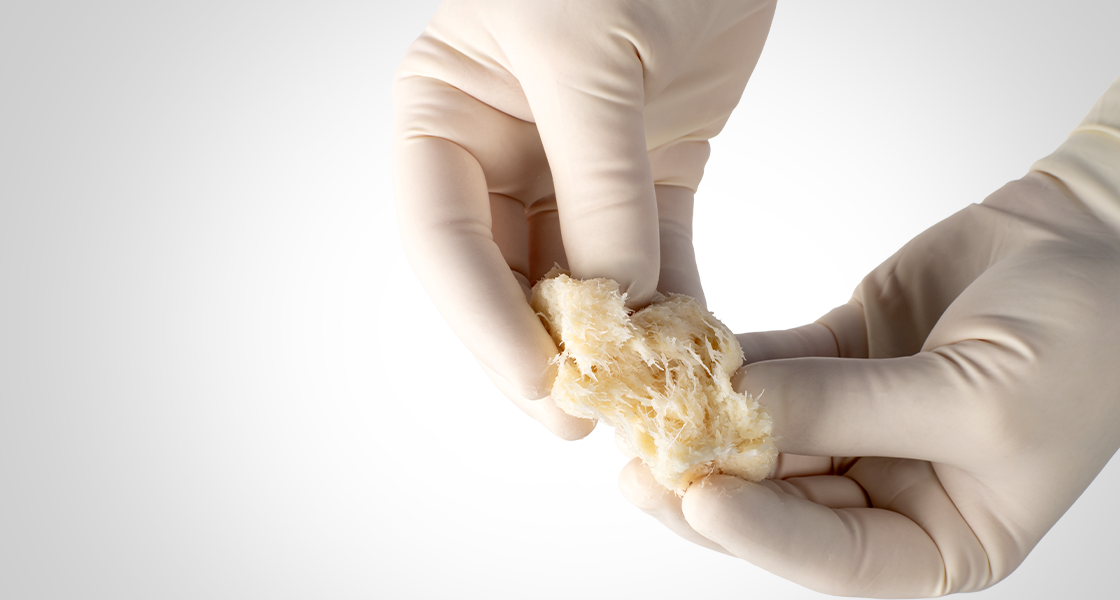
Figure 2: Biological regenerative engineering—IsoTis bone matrix solutions leverage natural tissue remodeling cascades to deliver consistent bone bridging.
3. Demand for Value-Based Healthcare & OR Efficiency
Operating room time is billed at high minute-by-minute rates. Surgical teams no longer tolerate graft products requiring complex multi-step intraoperative mixing, hydration timers, or prone-to-washout pastes. Modern procurement favors pre-loaded syringe deliveries and reverse-phase polymer carriers that harden or become cohesive at body temperature (37°C), remaining firmly in place despite active saline irrigation.
4. Integration with 3D-Printed Porous Implants
The rapid adoption of 3D-printed titanium interbody cages—such as Orthofix's WaveForm® and Reef Topography® systems—has created a synergistic demand for biomaterials that can be packed inside complex micro-architectural lattice structures. IsoTis DBM putties possess the exact viscoelastic properties needed to fill micro-cavities without leaving air voids, facilitating rapid bone ingrowth through the implant matrix.