Global Procurement & Engineering Guide to Lumbar Interbody Fusion Cages: 3D Titanium, Biomaterial Innovations & Market Trends

An exhaustive technical evaluation for orthopedic hospital procurement directors, surgical distributors, and spine specialists. Discover advanced ALIF, TLIF, PLIF, and LLIF interbody fusion cages engineered with NanoMetalene® molecular surfaces and WaveForm® 3D printed architectures.

FDA 510(k) Cleared & CE MDR Certified NanoMetalene® Surface Tech WaveForm® 3D Printed Titanium Global Sourcing Compliance
Inquire Now
44+
Years of Innovation
70+
Countries Served
1M+
Patients Treated
500+
Clinical Studies

Navigating the Strategic Landscape of Lumbar Interbody Fusion Implants

Lumbar Interbody Fusion Cages represent a cornerstone of modern reconstructive spine surgery. Designed to maintain lordotic alignment, restore intervertebral disc height, relieve neural compression, and facilitate solid osseous union between adjacent vertebral bodies, these devices have evolved from simple passive spacers into highly sophisticated biomimetic scaffolds. For global healthcare buyers, surgical procurement committees, and hospital inventory directors, selecting the appropriate lumbar interbody fusion portfolio requires balancing clinical efficacy, mechanical reliability, biomanufacturing precision, and long-term cost of care.

In the current era of value-based healthcare, global procurement decisions cannot rely on superficial material specifications alone. Hospital purchasing teams must evaluate how interbody cage geometry, surface chemistry, osteoinductivity, and modulus matching interact with surgical techniques across multiple surgical corridors—including Anterior Lumbar Interbody Fusion (ALIF), Transforaminal Lumbar Interbody Fusion (TLIF), Posterior Lumbar Interbody Fusion (PLIF), and Lateral/Anterior-to-Psoas (LLIF/ATP) approaches.

Information Gain Key Insight for Procurement Leaders

Clinical data confirms that fusion rate is not merely a product of graft material, but is significantly modulated by the cage’s microroughness, micro-porosity, and endplate load distribution. Next-generation cages utilizing sub-micron titanium molecular coatings (NanoMetalene®) and 3D porous titanium structures (WaveForm®) significantly reduce pseudoarthrosis rates while mitigating stress shielding and subsidence risks.

This technical guide synthesizes empirical engineering data, clinical evidence, and global procurement trends to provide medical device purchasers with actionable criteria for evaluating and sourcing high-performance Lumbar Interbody Fusion Cages.

Advanced Lumbar Interbody Fusion Cages Portfolio

Orthofix provides a comprehensive suite of lumbar interbody devices manufactured with state-of-the-art titanium additive manufacturing, propriety molecular surface bonding, and ergonomic instrumentation. Explore our core product solutions recommended for hospital standardization.

WaveForm 3D Printed Lumbar Interbody Fusion Cage
3D Titanium Technology

WaveForm® 3D Interbody Systems

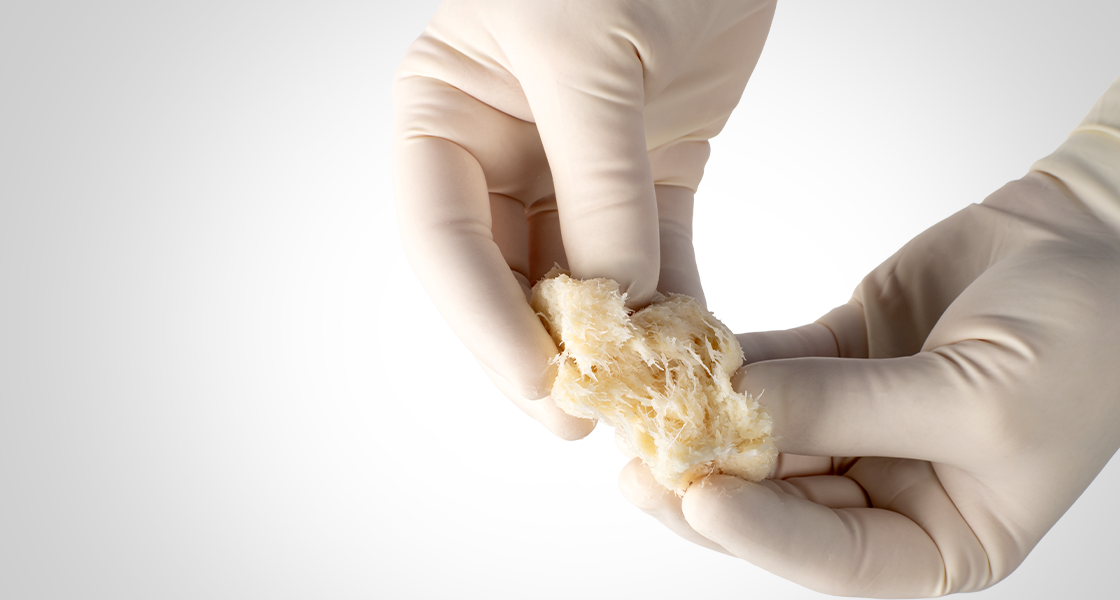
Engineered via selective laser melting (SLM), WaveForm features a repeating wave-like architectural design that optimizes strength-to-weight ratios while mirroring the structural elasticity of human cancellous bone.

  • 80% interconnected porous architecture
  • Low elastic modulus reduces stress shielding
  • Exceptional imaging radiolucency under CT/Fluoroscopy
  • Available in ALIF, TLIF, and Lateral profiles
NanoMetalene Surface Layer Lumbar Cage
Molecular Surface Coating

NanoMetalene® PEEK Interbody Implants

Combines the radiolucency and mechanical elasticity of PEEK with a high-affinity sub-micron titanium surface layer applied via high-energy chemical vapor deposition, creating an osteogenic environment without delamination risk.

  • Molecularly bonded titanium coating (~1 micron)
  • Enhanced cell adhesion & BMP-2 expression
  • Maintains radiolucent post-op artifact-free imaging
  • Zero recorded delamination in clinical studies
Reef Topography Lumbar Interbody Fusion Device
Macro & Micro Structure

Reef Topography® Interbody Portfolio

Inspired by biological coral structures, Reef Topography incorporates undercut macro-architectures and micro-textured features to maximize graft container volume and provide instant mechanical endplate interlock.

  • High-friction textured contact surfaces
  • Large graft window for maximum bone packing
  • Prevents intraoperative expulsion & migration
  • Optimized for minimally invasive MIS approaches

Technical Matrix: Biomaterial Selection in Lumbar Interbody Cages

Evaluating cage biomaterials requires comparing mechanical modulus, radiolucency, cellular response, and long-term subsidence dynamics. Below is a comprehensive comparison of standard biomaterials utilized in modern interbody manufacturing.

Biomaterial / Technology Elastic Modulus (GPa) Radiolucency (CT / MRI) Bone-Implant Contact (BIC) Subsidence Resistance Primary Surgical Indication
Solid Titanium Alloy (Ti-6Al-4V) ~110 GPa Radiopaque (Artifact creation) Moderate (Smooth surface) Moderate (Higher stiffness risk) Heavy load-bearing ALIF reconstructive cases
Standard PEEK (Polyetheretherketone) ~3.6 GPa Excellent (100% Radiolucent) Low (Fibrous encapsulation risk) High (Matches cortical bone) Standard TLIF/PLIF degenerative spine cases
NanoMetalene® PEEK ~3.6 GPa Excellent (Retains radiolucency) Superior (Enhanced osteoblast adhesion) High (Low elastic modulus) High-risk fusion, osteoporotic, MIS surgery
WaveForm® 3D Printed Titanium ~1.5 - 3.0 GPa (Adjustable) Superior (Porous low-density structure) Maximum (3D interconnected ingrowth) Exceptional (Biomimetic load distribution) Complex reconstructive, multi-level & revision fusion

The global market for spinal interbody implants is undergoing a rapid transition driven by demographic shifts, surgical technique refinement, healthcare economics, and additive manufacturing scalability. Global procurement directors and medical device buyers must prepare for several structural market shifts over the next five to ten years:

1. Shift Toward Additive Manufacturing (3D Printing) & Standard SKU Consolidation

Traditional CNC-machined PEEK and solid titanium implants are progressively yielding market share to 3D-printed porous titanium solutions. Additive manufacturing allows medical device producers to create organic, highly porous geometries impossible to machine traditionally. For procurement teams, 3D printing enables supplier consolidation: a single 3D-printed cage line can eliminate the need for secondary coatings or separate surface treatments, reducing supply chain complexity and inventory holding costs.

2. Expansion of Outpatient Spine Surgery & Ambulatory Surgical Centers (ASCs)

In North America, Europe, and developed Asian markets, lumbar fusion procedures are rapidly shifting from inpatient hospital settings to Ambulatory Surgical Centers (ASCs). This shift demands pre-sterilized, single-use packaged cage kits and streamlined, multi-functional instrument sets. Procurement departments must prioritize vendor contracts offering compact, sterile-packed interbody lines that decrease hospital sterile processing center (SPD) workloads and operating room turnover times.

3. Integration with Robotic Navigation and Digital Surgery Ecosystems

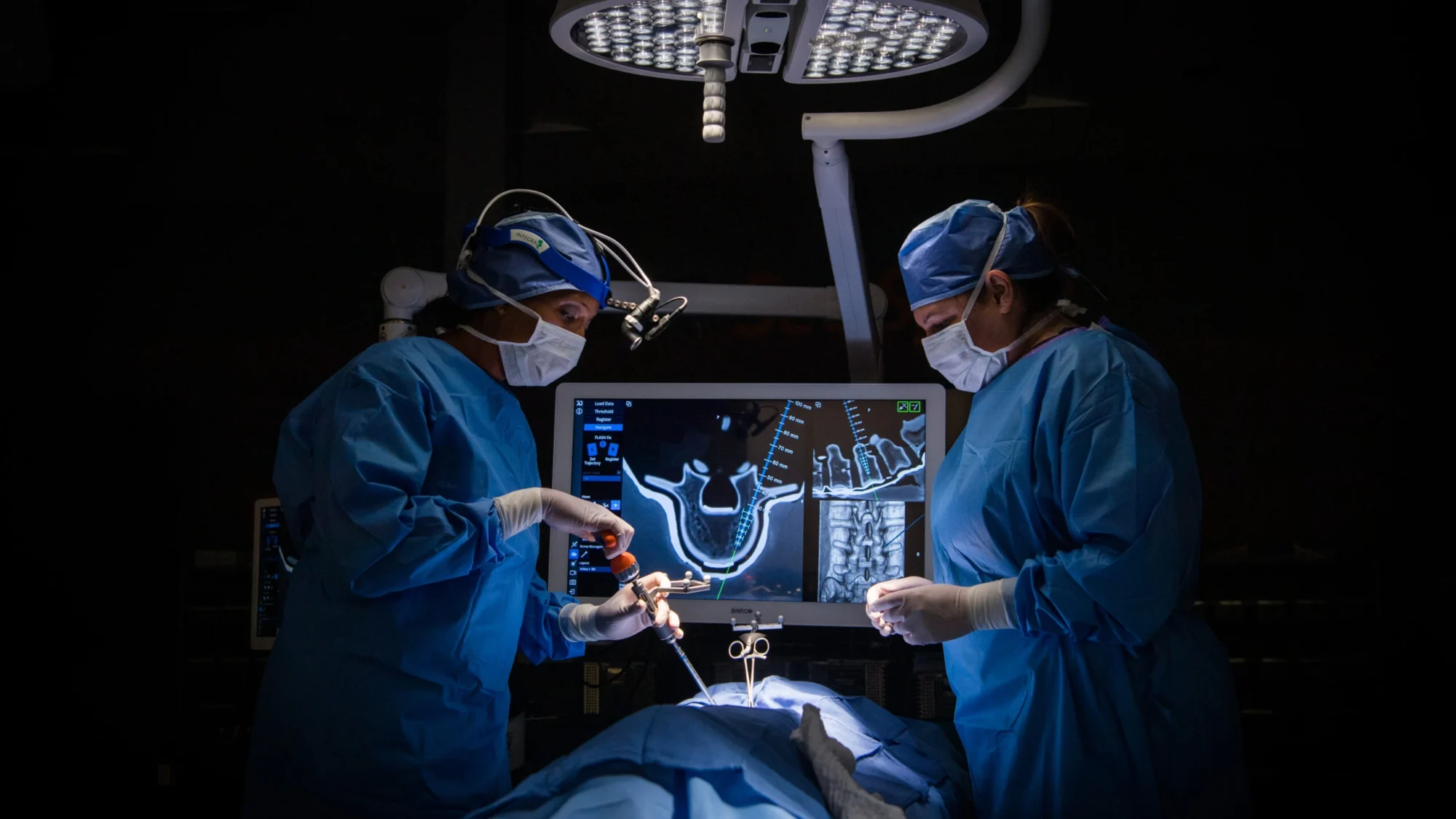
Modern surgical suites increasingly utilize intraoperative 3D navigation and robotic guidance systems, such as the Orthofix 7D FLASH™ Surgical Navigation System. Future procurement specifications for lumbar interbody cages will require seamless registration compatibility with optical machine-vision platforms. Smart instruments and navigation-ready insertion drivers reduce fluoroscopy exposure and improve implant placement accuracy.

Integrated Surgical Navigation and Lumbar Interbody Placement

4. Stringent Global Regulatory Requirements (EU MDR & FDA 510(k) Evolution)

Regulatory friction has intensified globally under the European Union Medical Device Regulation (EU MDR 2017/745) and enhanced FDA post-market surveillance. Hospital procurement teams can no longer risk partnering with unverified regional suppliers who lack robust clinical safety registries. Suppliers with comprehensive multi-center clinical trials, ISO 13485 quality systems, and clear bio-compatibility testing are dominating global contract tenders.
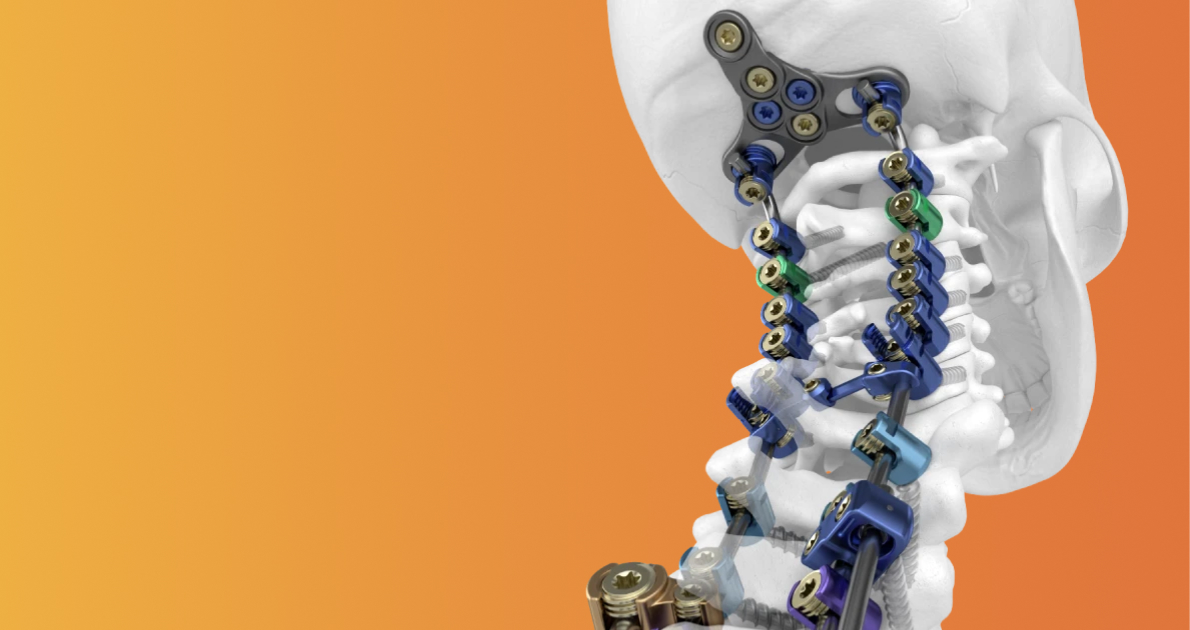
The evolution of lumbar interbody cages is defined by the quest to resolve three fundamental clinical challenges: implant subsidence, pseudoarthrosis (fusion failure), and intraoperative expulsion. R&D engineering teams are concentrating on several key technological vectors:

Modulus Matching & Biomimetic Lattice Engineering

Cortical bone exhibits a modulus of elasticity between 12 and 18 GPa, whereas human cancellous bone ranges from 0.1 to 4.5 GPa. Traditional solid titanium alloy (~110 GPa) introduces severe stress shielding, causing adjacent bone resorption and endplate collapse. Modern 3D-printed titanium implants leverage open stochastic and deterministic lattice structures (such as Orthofix WaveForm® technology) to lower the bulk modulus to under 3.0 GPa. This structural elasticity promotes healthy mechanical strain across the fusion site, invoking Wolff's Law to accelerate natural bone remodeling.

Surface Chemistry and Nanotechnology (Sub-Micron Features)

Research demonstrates that mesenchymal stem cells (MSCs) respond directly to surface topography at the nanometer scale (1–100 nm). Hydrophilic, nano-textured surfaces stimulate osteoblast proliferation and alkaline phosphatase activity without requiring external growth factors. Technologies like NanoMetalene® apply a ultra-thin layer of titanium that creates a nanostructured topography on PEEK substrates, providing immediate biological recognition while retaining radiolucent radiographic monitoring.

Expandable & Anatomically Adaptive Cage Geometries

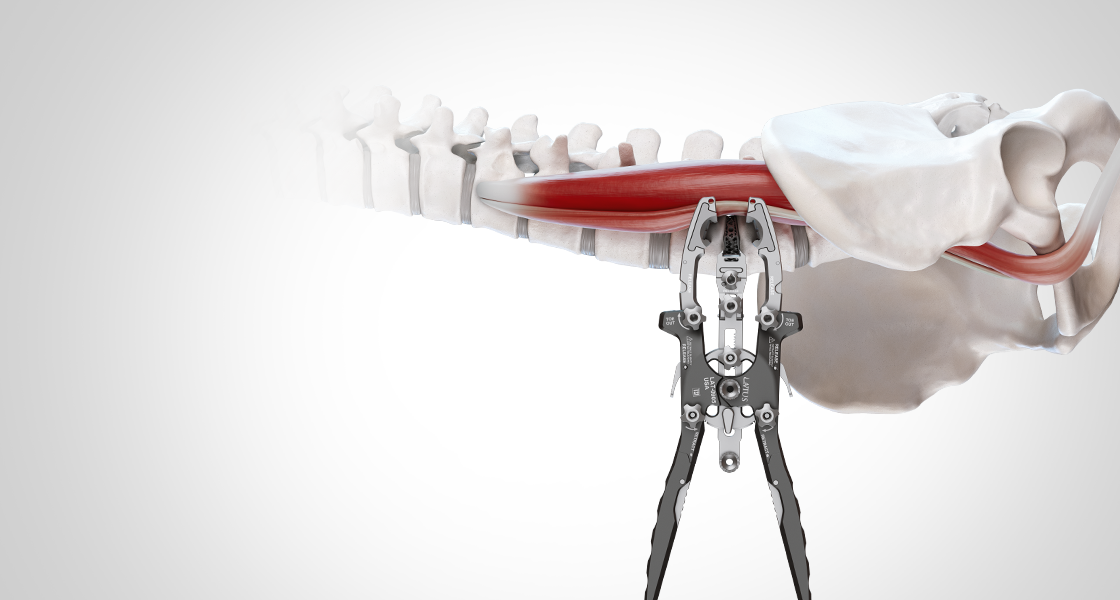
Minimally invasive spine surgery (MISS) relies heavily on expandable interbody cage technology. These devices insert through a smaller surgical corridor in a collapsed profile and subsequently expand in height and lordotic angle once inside the disc space. This minimizes nerve root retraction while ensuring maximal endplate contact and custom restoration of segmental lordosis.

Orthofix Enterprise Strengths & Manufacturing Excellence

Founded in 1980, Orthofix has grown into a global leader in spine and orthopedics, delivering clinical solutions to surgeons and healthcare systems in over 70 countries. Our Lumbar Interbody Fusion Cage portfolio represents over four decades of bioengineering leadership, continuous clinical validation, and vertically integrated manufacturing excellence.

44+ Years of Clinical Authority

With more than 500 published clinical studies and over 1,000,000 successful patient treatments worldwide, our products are backed by robust empirical data demonstrating superior fusion rates and low revision incidence.

Proprietary Biomaterial Innovations

Orthofix holds foundational patents in NanoMetalene® molecular surface layer bonding, WaveForm® 3D titanium additive lattice structures, and Reef Topography® biomimetic surfaces, offering distinct clinical advantages.

Complete Regenerative Ecosystem

We provide a fully integrated spinal portfolio: pairing interbody cages with advanced biologics (Accell® Bone Matrix, IsoTis® grafts) and non-invasive PEMF therapies (SpinalStim®) to ensure maximum clinical success.

Global Quality & Supply Chain Integrity

Operating under ISO 13485 standards with full FDA 510(k) clearances and CE MDR certifications, our global distribution network guarantees reliable SKU availability and rapid order fulfillment worldwide.

Inquire Now

Frequently Asked Questions for B2B Sourcing & Procurement

Detailed answers to common questions asked by hospital purchasing teams, distributors, and surgical directors evaluating Lumbar Interbody Fusion Cages.

What are the primary material advantages when selecting Lumbar Interbody Fusion Cages?

Selecting the appropriate biomaterial involves balancing mechanical stiffness, imaging visibility, and osseointegration capabilities. Traditional PEEK offers radiolucency and a modulus close to native cortical bone, but lacks strong cellular adhesion. Porous 3D-printed titanium provides high surface roughness and interconnected porosity to accelerate bone ingrowth (osteoconduction). NanoMetalene technology bridges this gap by molecularly applying a sub-micron titanium layer onto PEEK, retaining radiolucency while creating an osteogenic surface superior to plain PEEK.

How do different surgical approaches (ALIF, TLIF, PLIF, LLIF/ATP) impact interbody cage geometry?

Cage design must align with surgical corridor constraints: ALIF cages feature wider footprints and higher lordotic angles to maximize anterior column support and disc height restoration; TLIF/PLIF cages have curved or narrow bulleted tips for insertion around nerve roots; LLIF/ATP cages possess long, wide footprints that span the lateral cortical rims to minimize subsidence. Procurement teams should stock comprehensive anatomical portfolios to accommodate surgeon preferences across anterior, lateral, and posterior pathways.

Why is subsidence mitigation a vital technical benchmark for hospital procurement committees?

Subsidence—the sinking of an interbody cage into vertebral endplates—leads to loss of disc height, recurrent foraminal stenosis, hardware loosening, and high revision rates. Modern interbody cages incorporate optimized endplate topographies, macro-textured contact surfaces (e.g., Reef Topography), and tailored elastic moduli (e.g., WaveForm 3D porous structures) that distribute compressive loads evenly across peripheral endplates, drastically lowering clinical subsidence incidence.

What regulatory documentation is required for international distribution of Lumbar Interbody Fusion Cages?

International hospital networks and distributors require FDA 510(k) clearances, CE Mark certification under EU MDR (Medical Device Regulation 2017/745), ISO 13485 quality management compliance, dynamic and static mechanical test data per ASTM F2077 and ASTM F2267 (subsidence), as well as biocompatibility verification under ISO 10993.

Can Orthofix Lumbar Interbody Fusion Cages be bundled with biological bone graft substitutes?

Yes. Orthofix provides a fully integrated spinal portfolio where interbody cages are co-cleared and optimized for use with our proprietary line of osteoinductive biologics, including Accell® Bone Matrix and IsoTis® bone graft substitutes, streamlining procurement contracts and improving clinical fusion efficacy.

What customization or sizing ranges are available for global bulk supply contracts?

Our interbody fusion systems are supplied in comprehensive tray configurations featuring incremental height options (ranging from 7mm to 18mm+), multiple footprint sizes, and lordotic angles ranging from 0° parallel up to 20°+ hyperlordotic options, ensuring full anatomical adaptability for diverse global patient demographics.

Partner with Orthofix for Next-Generation Lumbar Solutions

Connect directly with our global medical device specialists to request product specifications, clinical trial data, bulk tender pricing, or trial instrumentation sets for your healthcare facility.

Inquire Now