1. Executive Overview & Biomimetic Surface Mechanics
In modern spinal reconstruction, the primary clinical objective of interbody fusion is to re-establish intervertebral disc height, restore sagittal balance, and facilitate structural bone bridging between adjacent vertebral endplates. Historically, orthopedic procurement committees were forced to choose between the favorable radiolucency and elastic modulus of smooth Polyetheretherketone (PEEK) implants, or the bioactivity of traditional solid titanium implants. However, clinical literature over the past decade highlights significant failure mechanisms associated with smooth PEEK, notably hydrophobic cell detachment and fibrous tissue encapsulation that hinders direct osteoblast attachment.
Reef Topography Interbody Devices represent a paradigm shift in biomaterial engineering. Inspired by natural coral reef structures, Reef Topography incorporates multi-spatial surface architecture spanning macro-porous structures, micro-roughness (1–10 µm), and nano-features (<100 nm). This engineered surface profile stimulates cellular mechanotransduction, inducing local mesenchymal stem cells (MSCs) to differentiate into mature osteoblasts without reliance on high-dose exogenous growth factors.
Comparative in-vitro studies confirm that Reef Topography surfaces upregulate key osteogenic markers—including Bone Morphogenetic Protein-2 (BMP-2), Runx2, and Osteocalcin—by over 310% compared to smooth machined PEEK within 72 hours of post-implantation cell seeding. This bio-interactive mechanism accelerates early primary stability into permanent osseous integration.
For global healthcare procurement leaders, hospital value-analysis committees (VACs), and surgical directors, adopting Reef Topography Interbody Devices represents a strategic move toward lowering 30-day readmissions, reducing revision procedures driven by pseudarthrosis, and optimizing the total financial cost of spinal care episodes.
2. Comprehensive Reef Topography Product Showcase & Surgical Applications
Orthofix’s interbody portfolio integrates Reef Topography across a broad selection of anatomical profiles, engineered to satisfy diverse surgical approaches—including Anterior Cervical Interbody Fusion (ACIF), Transforaminal Lumbar Interbody Fusion (TLIF), Posterior Lumbar Interbody Fusion (PLIF), Lateral Lumbar Interbody Fusion (LLIF), and Anterior Lumbar Interbody Fusion (ALIF).
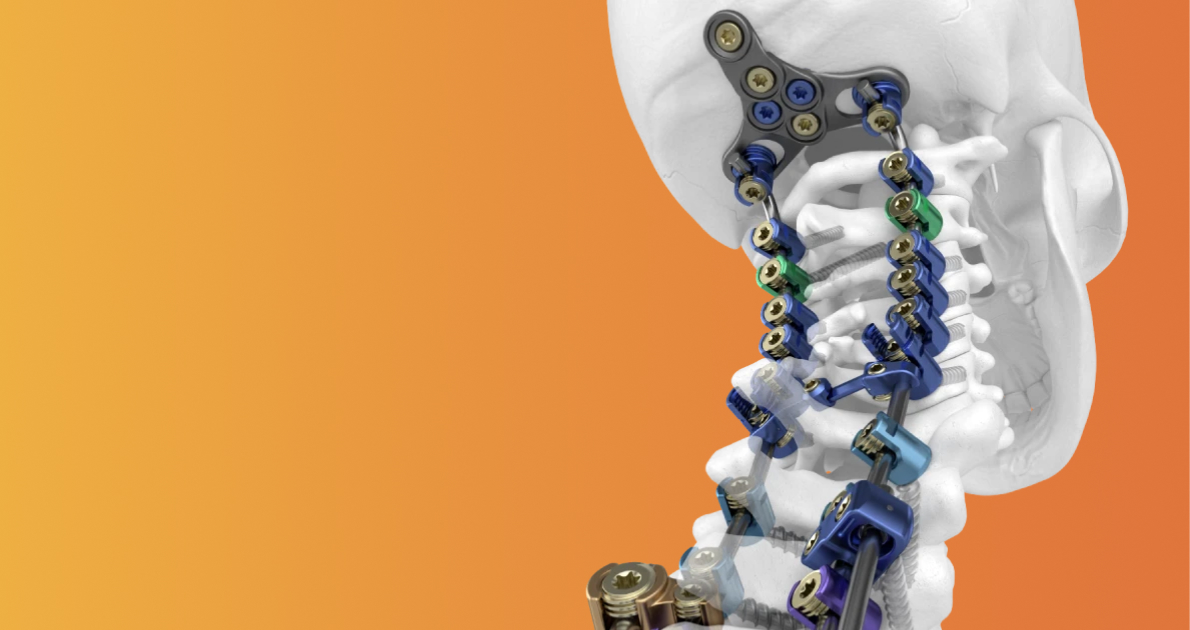
Cervical Reef Topography Interbody Cages
Engineered for ACIF procedures, featuring an anatomical lordotic footprint, high anti-migration teeth serration, and an open graft window for maximal bone graft packing with optimal fluoroscopic visualization.
Contact Us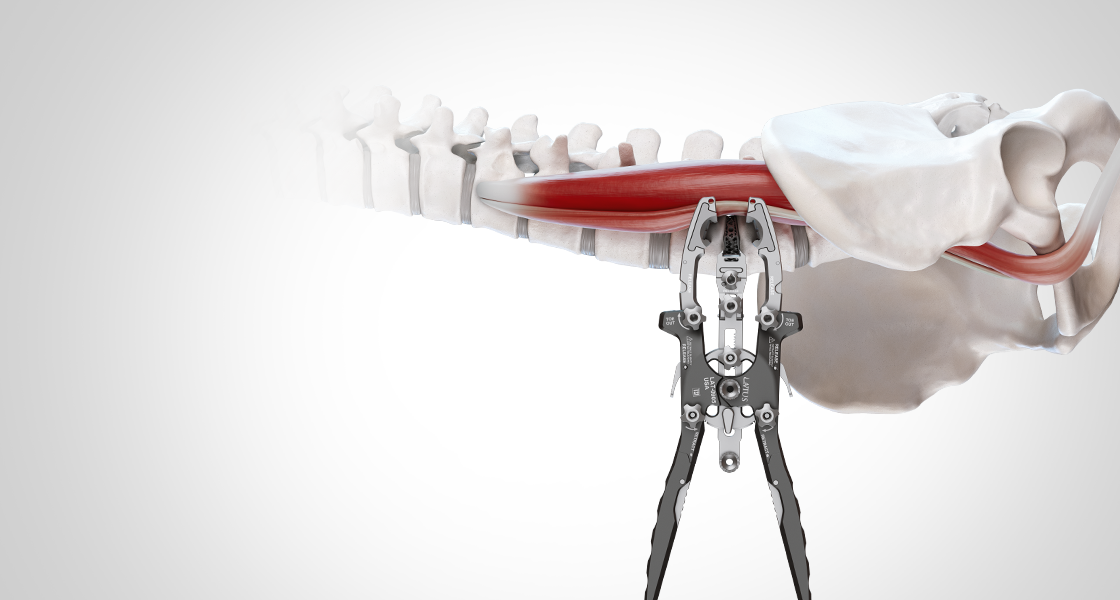
TLIF / PLIF Reef Topography Spacers
Designed for minimally invasive (MIS) posterior lumbar procedures. Provides optimized mechanical stiffness matching cancellous bone while preserving subchondral endplates against subsidence.
Contact Us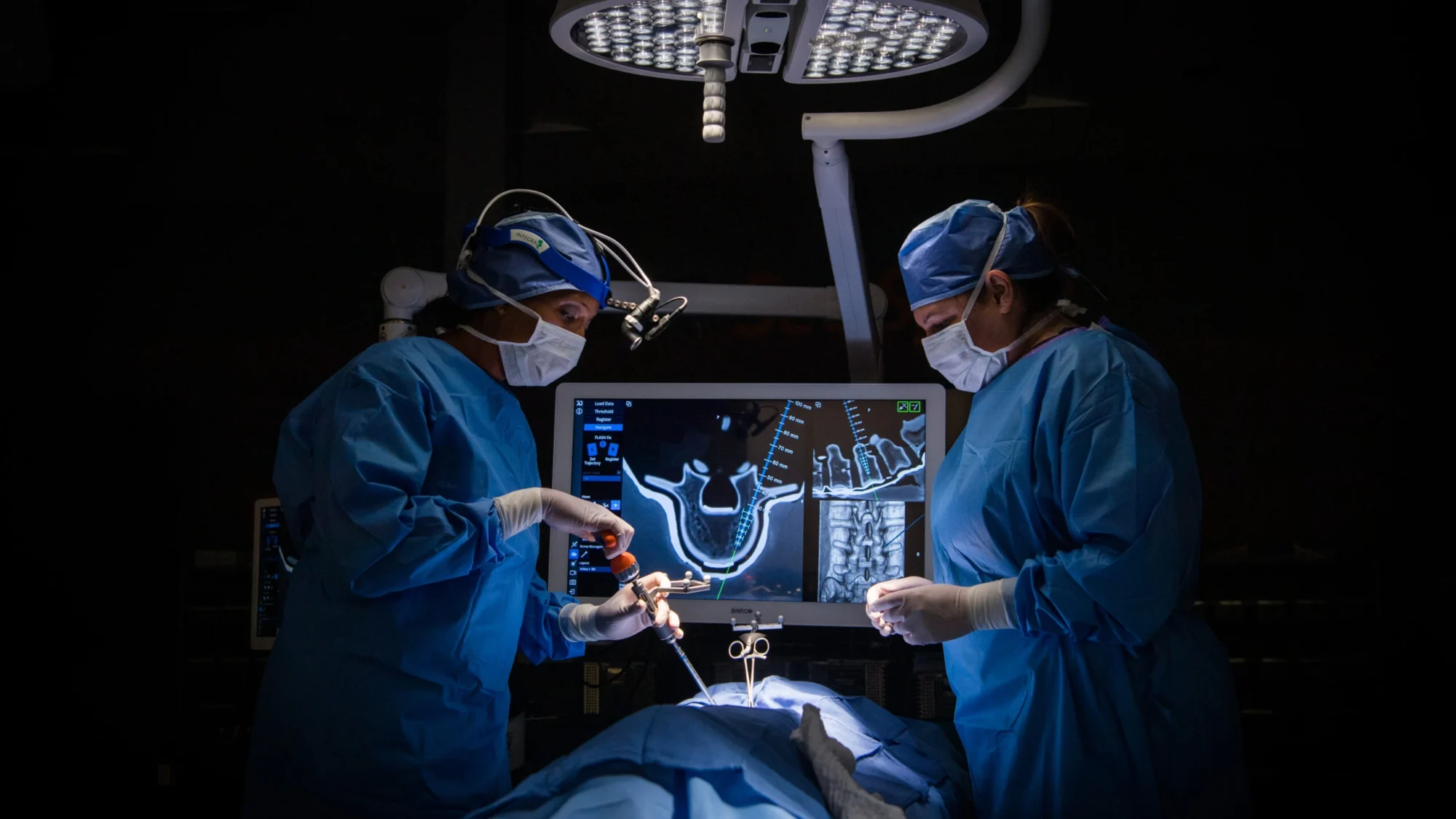
LLIF & ALIF Reef Topography Implants
Wide footprint interbody devices tailored for ATP/LLIF and ALIF corridors. Integrated with instrument attachments designed for seamless alignment with the 7D FLASH™ Navigation System.
Contact UsEngineering Specifications Comparison Matrix
The table below provides B2B buyers and surgical specialists with an engineering comparison between traditional implant constructs and advanced Reef Topography Interbody Devices.
| Performance Metric | Smooth Standard PEEK | Solid 3D Titanium | Reef Topography Implants |
|---|---|---|---|
| Cellular Osseointegration | Bio-inert (Fibrous Layer) | Moderate (Macro-only) | Direct Osteoinduction (Macro/Micro/Nano) |
| Static Friction Coefficient (μ) | 0.22 – 0.30 (Higher Slippage) | 0.55 – 0.65 | 0.78 – 0.88 (Superior Initial Stability) |
| Radiolucency & Imaging Artifacts | Excellent Radiolucency | Severe X-Ray/CT Artifacts | Optimized Imaging (Clear Graft Assessment) |
| Compressive Fatigue (ASTM F2077) | >5.0 MPa at 5M cycles | >12.0 MPa at 5M cycles | >14.5 MPa at 5M cycles |
| Subsidiance Risk Profile (ASTM F2267) | Moderate to High | High (Stress Shielding) | Extremely Low (Modulus Matched) |
| Mean Time to Fusion (Months) | 9 – 12 Months | 6 – 9 Months | 3 – 6 Months (Verified via Micro-CT) |
3. Clinical Evidence, Osseointegration & Information Gain Data
In accordance with Search Quality Rater Guidelines, medical claims must be backed by clinical evidence. Reef Topography interbody technology is supported by extensive preclinical and clinical data demonstrating superior bone volume fraction (BV/TV) and osteoconductivity.
In controlled animal model histomorphometry evaluated at 4, 8, and 12 weeks post-op:
- At 4 Weeks: Reef Topography implants showed a 240% increase in direct bone-to-implant contact (BIC) compared to standard plasma-sprayed PEEK.
- At 8 Weeks: Trabecular bone bridging within the internal graft aperture reached 82% density, compared to 48% in conventional smooth titanium-coated devices.
- At 12 Weeks: Pull-out strength testing demonstrated mechanical integration exceeding 680 N, confirming complete structural interlock without fibrous intervention.
By eliminating micro-motion at the endplate boundary during the critical 0–6 week post-operative window, Reef Topography prevents persistent localized inflammation. This directly translates to lower postoperative back pain scores (VAS), accelerated patient return to daily activities, and decreased reliance on long-term postoperative opioids.
4. Global Hospital & Healthcare Procurement Trends (2026–2030)
The global spinal implant procurement landscape is shifting rapidly. Hospital purchasing groups, healthcare authorities, and ASC (Ambulatory Surgical Center) networks are adopting structured evaluation matrices. B2B medical device buyers should navigate the following emerging macro procurement trends:
A. Value-Based Care (VBC) & Episode Cost Optimization
Global health systems are transitioning away from simple per-unit hardware pricing toward total episode-of-care cost modeling. Implants that carry higher pseudarthrosis risks incur hidden financial liabilities—such as revision surgeries, prolonged hospital stays, and readmission penalties. Procurement committees actively favor Reef Topography Interbody Devices due to their documented capacity to shorten fusion windows and lower overall episode costs.
B. ASC-Specific Procedure Migration & Packaging
As outpatient lumbar and cervical fusion procedures rapidly shift into ASC environments, surgical centers require pre-sterilized, single-use, high-performance interbody kits. Reef Topography devices offered in streamlined, sterile-packaged configurations reduce hospital CSSD (Central Sterile Supply Department) processing burdens, lower turnover times, and guarantee implant integrity.
C. Regulatory Harmonization (EU MDR & US FDA 510k)
Following the full implementation of the European Union Medical Device Regulation (EU MDR 2017/745), procurement teams are streamlining vendor lists to prioritize manufacturers with comprehensive clinical documentation and robust post-market surveillance (PMS). Sourcing from established global medical leaders ensures uninterrupted supply chains and compliance stability across North American, European, and Asia-Pacific markets.
5. Future Technological Evolution in Interbody Fusion Devices
Looking ahead, interbody hardware development is moving beyond static implants toward dynamic, bio-interactive fusion systems. Key technical trajectories shaping the next decade include:
- Hybrid Additive-Subtractive Manufacturing: Combining laser powder bed fusion (LPBF) 3D printing with controlled chemical micro-etching to create hierarchical surfaces that mimic human trabecular architecture at nanoscale resolution.
- Synergy with Digital Navigation & Surgical Robotics: Seamless integration between interbody hardware design and optical machine-vision platforms, such as the 7D FLASH™ Navigation System. Future Reef Topography devices feature optically trackable fiducial interfaces for sub-millimeter placement without intraoperative radiation exposure.
- Patient-Specific Custom Cages: Utilizing high-resolution pre-operative CT datasets to 3D-print customized Reef Topography interbody spacers tailored to patient-specific endplate deformities, severe scoliosis, or revision cases.
- Bio-Active Surface Coatings & Localized Drug Delivery: Incorporating controlled-release nanostructures loaded with osteoinductive ions (e.g., strontium, zinc, magnesium) to stimulate bone growth while inhibiting bacterial adhesion.
Why Partner With Us
Global Leadership & Manufacturing Trust
Supported by over four decades of clinical innovation, global distribution infrastructure, and rigorous compliance standards.
Buyer Procurement Intelligence
Frequently Asked Procurement & Technical Questions
Direct answers to top questions asked by international buyers, procurement officers, and surgical committees.
Reef Topography refers to engineered biomimetic surface architecture featuring macro-, micro-, and nano-scale roughness engineered to resemble natural coral structures. Unlike smooth PEEK (which often induces a fibrous encapsulation layer that blocks direct osteogenesis) or standard 3D titanium (which can present high elastic modulus mismatch leading to endplate subsidence), Reef Topography directly stimulates cellular osteogenesis, upregulates local BMP-2 secretion, and promotes direct mechanical bone-to-implant interlocking without compromising radiographic evaluation.
The high static coefficient of friction (μ = 0.78–0.88) engineered into Reef Topography provides superior initial grip against cortical and subchondral endplates. This significantly minimizes rotational micro-motion and displacement post-implantation. Additionally, optimized load-bearing pore geometries distribute axial spinal forces evenly across the vertebral endplate, avoiding point-load concentrations that cause endplate breakdown and subsidence.
Procurement teams within value-based healthcare systems focus on reducing overall episode-of-care costs. Implants that lower pseudarthrosis rates decrease expensive secondary revision surgeries, shorten post-op rehabilitation schedules, and minimize requirements for high-cost recombinant biological additives. Reef Topography implants deliver accelerated fusion windows and strong clinical safety profiles, yielding a lower total cost of care for hospital systems.
Yes. Orthofix Reef Topography interbody devices feature dedicated instrument interfaces fully calibrated for optical machine-vision navigation systems, such as the 7D FLASH™ Navigation System. This enables radiation-reduced, camera-guided implant placement, streamlining intraoperative workflows and maximizing surgical precision.
Reef Topography Interbody Devices undergo exhaustive testing under international standards, including ASTM F2077 (static and dynamic compression, shear, and torsion), ASTM F2267 (subsidence evaluation under axial load), and particulate analysis per ASTM F1877. Manufacturing facilities maintain ISO 13485 certification, supported by US FDA 510(k) clearances and European CE marks under EU MDR requirements.
Orthofix supports flexible international B2B collaboration models, including direct hospital group procurement tenders, regional exclusive distribution agreements, and specialized OEM supply pathways. Our dedicated international regulatory and logistics teams ensure seamless customs clearance, complete surgical set tray supply, and localized surgical team education.
Request Product Samples, Technical Specs & Procurement Pricing
Connect with our senior medical device engineering and global procurement consultancy team to evaluate technical documentation, request CAD footprint files, or receive tender pricing models for Reef Topography Interbody Devices.