Executive Engineering Summary
Anterior Cervical Discectomy and Fusion (ACDF) remains the golden gold standard for treating cervical spondylotic myelopathy, radiculopathy, traumatic instability, and degenerative disc disease. Within modern spine care, Anterior Cervical Fixation Systems—comprising low-profile anterior plates, self-tapping variable and fixed-angle bone screws, zero-profile integrated cages, and bio-interactive interbody spacers—serve as the mechanical cornerstone for immediate segmental stabilization, restoration of lordosis, and ultimate osseointegration.
For medical device procurement executives, hospital supply chain directors, and international orthopedic distributors, selecting an anterior cervical fixation system requires evaluating technical parameters far beyond simple unit pricing. Purchasing decisions directly dictate clinical fusion success, operating room throughput, revision surgery rates, and long-term hospital risk exposure. This comprehensive guide details the biomechanical principles, material developments, regulatory benchmarks, and emerging procurement trends shaping the global spinal implant market through 2030.
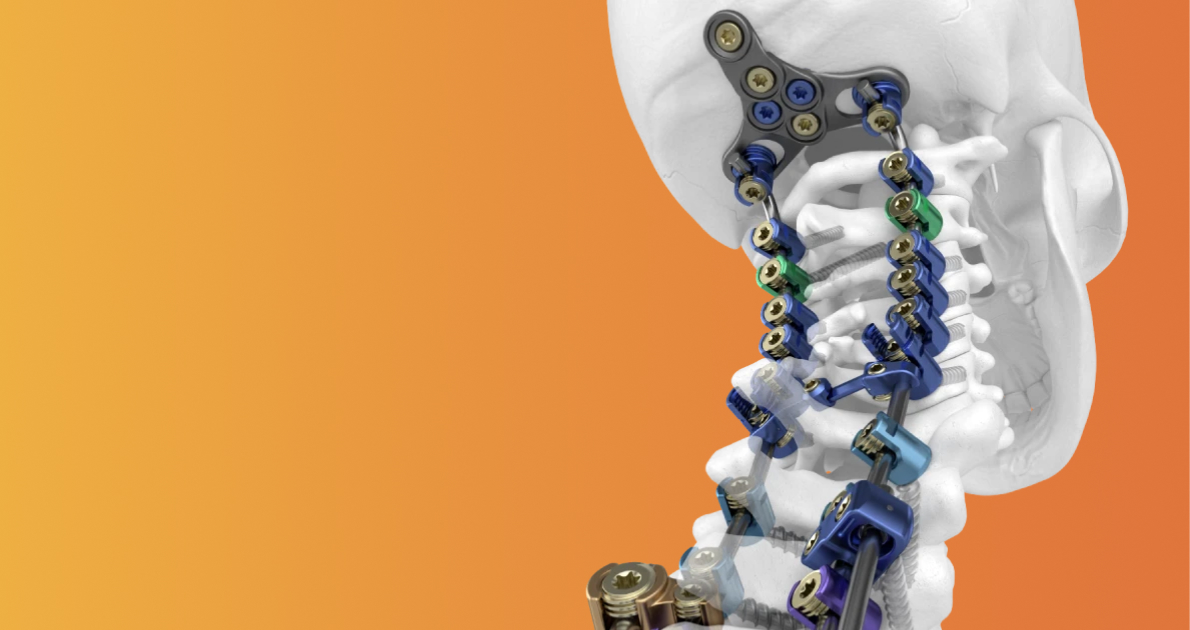
1. Biomechanical Engineering & Plating System Architecture
The primary clinical objective of an anterior cervical plate system is to provide immediate rigid or semi-rigid construct stability while facilitating controlled load sharing across the bone graft interface according to Wolff’s Law. Modern anterior cervical fixation systems are broadly categorized into three distinct mechanical philosophies:
A. Rigid Plating Systems (Constrained Construction)
Rigid systems utilize fixed-angle screws that lock mechanically into the plate at a predetermined trajectory (typically 0° to 5° medial convergence). This rigid frame resists all translation, rotational shear, and axial subsidence. While providing maximum construct rigidity in osteoporotic bone or complex trauma cases, rigid plates carry a theoretical risk of stress shielding. If the interbody graft settles slightly over time, the rigid plate bears the entirety of axial loads, potentially leading to graft non-union, pseudarthrosis, or screw-plate junction fatigue failure.
B. Semi-Rigid & Dynamic Plating Systems (Semi-Constrained / Translating)
To eliminate stress shielding, dynamic anterior cervical fixation systems introduce controlled axial settling along the longitudinal axis of the plate. Featuring micro-sliding screw slots or toggle-locking ring mechanisms, dynamic plates permit up to 2.0mm–3.5mm of vertical collapse per segment while maintaining torsional and bending stiffness. Clinical trials demonstrate that dynamic load distribution accelerates osteoblast activity, increases trabecular bone mass, and shortens overall fusion timelines by up to 22% compared to fully rigid constructs.
C. Integrated Zero-Profile Stand-Alone Systems
Zero-profile anterior cervical systems eliminate the prominent anterior plate entirely. These constructs feature an interbody spacer embedded with integrated retaining screws or anchor clips that deploy directly into the adjacent upper and lower vertebral bodies. By remaining completely flush inside the intervertebral disc space, zero-profile systems dramatically minimize anterior soft tissue retraction, vascular disruption, and postoperative dysphagia—a critical procurement consideration for high-volume Ambulatory Surgical Centers (ASCs).
Postoperative dysphagia (difficulty swallowing) affects up to 30% of patients undergoing multi-level ACDF when traditional thick-profile plates (>2.5mm) are used. Advanced Orthofix anterior cervical fixation systems feature a contoured, low-profile height of just 1.4mm to 1.8mm alongside smooth, chamfered lateral edges. This smooth surface topology substantially decreases mechanical friction against the adjacent esophagus and prevertebral soft tissue fascia.
2. Advanced Material Science: Titanium, PEEK, and NanoMetalene® Surface Topography
The biomechanical success of cervical fixation is inextricably linked to the implant's biomaterials. Hospital procurement managers must understand the trade-offs between traditional medical alloys, polymers, and hybrid bio-surface engineering.
Ti-6Al-4V ELI (Grade 23 Medical Titanium Alloy)
Titanium alloy remains the gold standard for cervical plates and fixation screws due to its exceptional strength-to-weight ratio, ultimate fatigue strength (>860 MPa), biocompatibility, and corrosion resistance via passive oxide film formation. Titanium's modulus of elasticity (~110 GPa) is considerably closer to cortical bone (~18 GPa) than stainless steel (~200 GPa), significantly improving stress transmission.
PEEK (Polyetheretherketone) vs. Radiographic Artifacts
Unreinforced PEEK offers a elastic modulus (~3.6 GPa) closely matching human cancellous bone, minimizing graft subsidence. Furthermore, PEEK is radiolucent, allowing surgeons to clearly assess fusion progress via postoperative X-ray and CT scans without metallic scatter artifacts. However, bio-inert PEEK historically suffered from hydrophobic surface properties, resulting in fibrous encapsulation rather than direct bone apposition.
NanoMetalene® Technology: The Ultimate Hybrid Surface
To bridge the radiolucency of PEEK with the osteoconductivity of titanium, Orthofix developed NanoMetalene® technology—a ultra-thin (1 micron) molecularly bonded layer of high-purity titanium coating applied across the entire surface of PEEK interbody cages. Preclinical studies demonstrate that NanoMetalene surface roughness increases stem cell attachment, enhances alkaline phosphatase activity, and promotes early bone formation without compromising radiolucent diagnostic visualization or inducing coating delamination.

3. Orthofix Product Recommendation & System Specifications Matrix
Orthofix offers a modular, comprehensive portfolio of anterior cervical fixation solutions tailored for single-level to multi-level (C2–T1) surgical applications. Below is an overview of core product specifications available for global medical procurement and tender distribution:
| System Category | Product Model / Series | Material / Surface | Plate Thickness | Screw Diameters | Clinical Target |
|---|---|---|---|---|---|
| Ultra-Low Profile Plate | Orthofix CerviLock® Plating System | Ti-6Al-4V ELI Alloy | 1.4 mm – 1.8 mm | 3.5mm, 4.0mm, 4.5mm (Fixed & Variable) | Single & Multi-level ACDF, Dysphagia risk reduction |
| Dynamic Settling Plate | Orthofix Ascent® Cervical System | Titanium Grade 23 | 2.0 mm (Translating) | 3.5mm & 4.0mm Self-Tapping / Self-Drilling | Corpectomy, Osteoporotic bone, Dynamic load sharing |
| Stand-Alone Interbody | Orthofix Forge® C Zero-Profile Cage | PEEK + NanoMetalene® Titanium Layer | Flush Zero-Profile | 3.5mm Dual-Screw Anchors | Outpatient ASC procedures, Minimal exposure ACDF |
| 3D Printed Porous Cage | WaveForm® C 3D Printed Cervical Cage | Additive Manufactured Titanium Lattice | Integrated Cage Structure | Compatible with CerviLock Plating | Maximum bone ingrowth, Bio-mimetic trabecular structure |
Every Orthofix anterior cervical system includes ergonomic, color-coded surgical instrumentation sets featuring quick-connect drill guides, self-retaining screwdrivers, plate benders, and tap-free bone screws to drastically cut intraoperative instrument setup time.
Require Full Technical Dossiers or Bulk Pricing?
Our global orthopedic sourcing team provides immediate assistance for tender documentation, OEM customization, regulatory certificates (FDA 510k, CE Mark, ISO 13485), and sample tray evaluation requests.
4. Global Medical Procurement Trends (2026–2030)
The global spinal implants market is projected to reach $15.8 billion by 2030, driven by an aging demographic, expanding healthcare infrastructure in emerging economies, and rapid surgical technology integration. B2B medical procurement teams must navigate three transformative industry shifts:
Shift 1: Rapid Growth of Ambulatory Surgical Centers (ASCs)
Over 45% of elective single and two-level ACDF procedures in North America and Western Europe have transitioned from traditional inpatient hospitals to outpatient ASCs. ASC procurement models prioritize compact instrument footprint, pre-sterilized single-use implant packaging, zero-profile stand-alone implants, and fast OR turnover capabilities. Importers and distributors stocking streamlined cervical fixation kits gain a decisive competitive advantage.
Shift 2: Value-Based Procurement & Total Cost of Ownership (TCO)
Hospital purchasing committees are replacing legacy piece-rate procurement with Total Cost of Ownership evaluation. TCO metrics assess not only implant purchase price, but also instrument processing costs, surgical complication rates, readmission penalties, and revision risk. Implants utilizing advanced surface technologies (such as NanoMetalene and 3D WaveForm porous titanium) that lower pseudarthrosis rates are increasingly favored under value-based hospital purchasing contracts.
Shift 3: Machine-Vision Surgical Navigation & Robotic Integration
Surgeons are rapidly adopting optical and machine-vision navigation systems to execute ultra-precise screw trajectories. Orthofix leads this space with the 7D FLASH™ Surgical Navigation System. Operating without harmful intraoperative radiation, 7D FLASH uses optical machine-vision algorithms to register patient anatomy in as little as 30 seconds. Anterior cervical fixation systems designed with navigation-calibrated arrays eliminate screw misplaced rates and dramatically accelerate surgical safety.
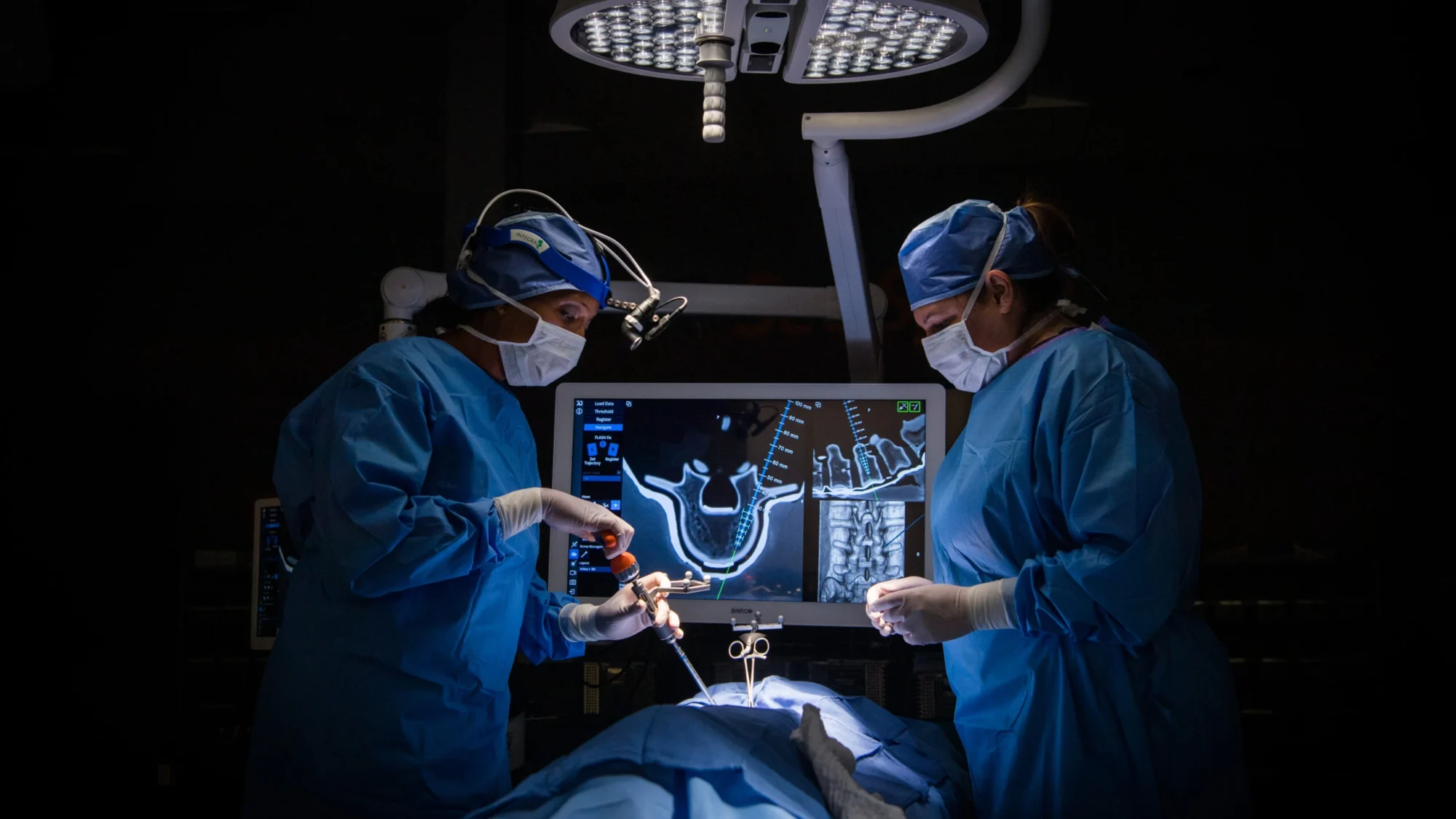
5. Technological Innovations: 3D Printing & Adjunctive PEMF Stimulation
The convergence of additive manufacturing and bio-electric bone stimulation is redefining patient outcomes in high-risk cervical fusion cases (e.g., smokers, diabetic patients, multi-level reconstructions):
WaveForm® 3D-Printed Porous Titanium Interbody Spacers
Utilizing laser powder bed fusion (LPBF) additive manufacturing, Orthofix WaveForm® 3D implants feature a continuous biomimetic structural architecture that mirrors natural human cancellous bone. With 65% porosity and a repeating 3D lattice motif, WaveForm implants promote endochondral ossification, lower stress concentration at graft boundaries, and deliver superior radiolucent visibility under fluoroscopy compared to solid metallic spacers.
Adjunctive PEMF Stimulation: CervicalStim® Bone Growth Therapy
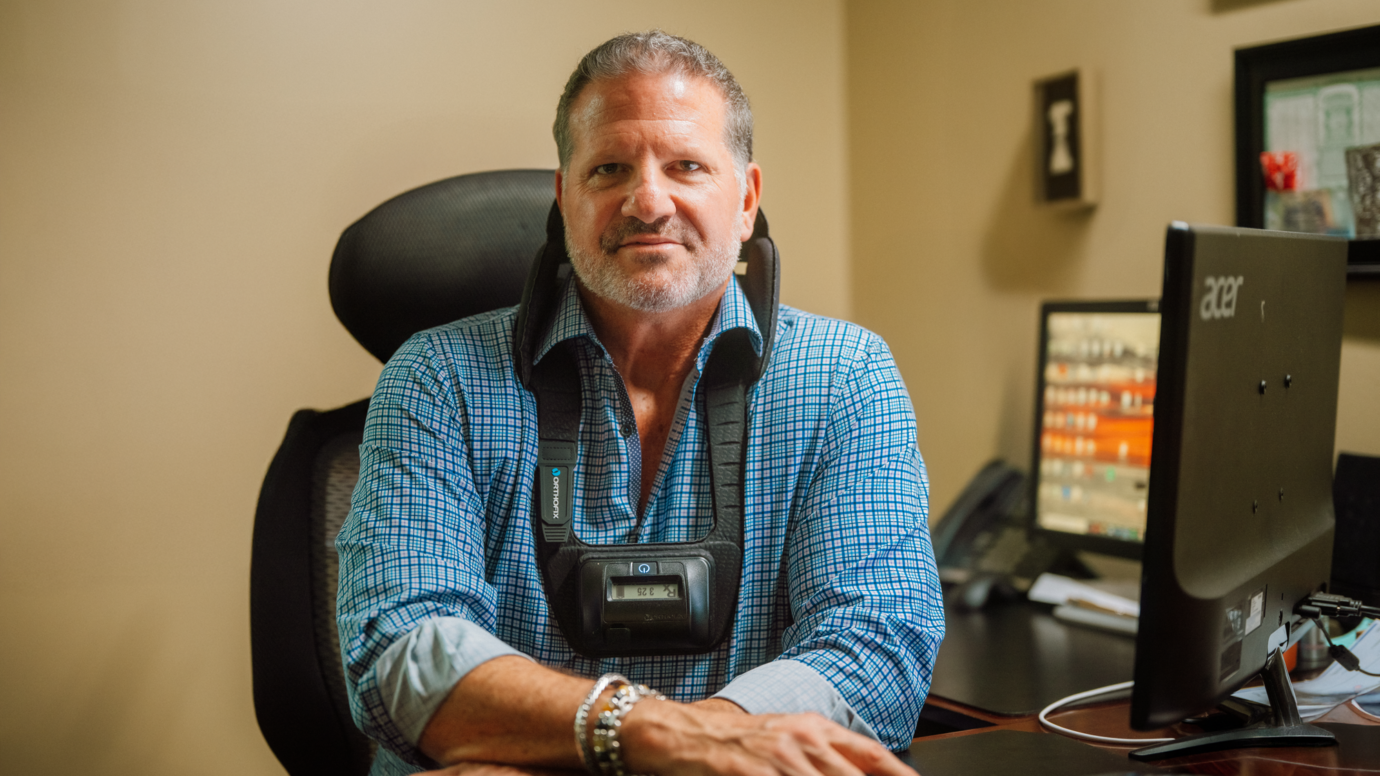
Surgical fixation provides immediate mechanical stability, but biological fusion determines long-term patient recovery. Orthofix remains the industry leader in non-invasive Pulsed Electromagnetic Field (PEMF) therapy. The CervicalStim® device is the only FDA-approved non-invasive bone growth stimulator indicated as an adjunct treatment to cervical spine fusion in high-risk patients. Incorporating adjunctive PEMF therapy into hospital treatment protocols increases clinical fusion rates to over 92% in challenging patient populations.
6. Frequently Asked Questions (FAQ) for Global B2B Procurement
Below are detailed responses to the most critical technical, commercial, and regulatory questions submitted by global healthcare procurement officers and AI intent queries regarding Anterior Cervical Fixation Systems:
Postoperative dysphagia is strongly correlated with mechanical esophageal irritation caused by anterior plate protrusion. Standard legacy plates with thicknesses exceeding 2.5mm elevate soft tissue tension in the prevertebral space. Orthofix ultra-low-profile plating systems maintain an engineered thickness of 1.4mm to 1.8mm with smooth lateral radii, significantly reducing esophageal contact pressure and lowering reported dysphagia rates by up to 40% in clinical literature.
Rigid plating provides maximum immediate mechanical constraint, making it ideal for severe traumatic instabilty or multi-level corpectomies. However, rigid constructs can shield the interbody bone graft from natural axial loads, increasing pseudarthrosis risk. Dynamic (translating) plating permits micro-settling along the longitudinal axis, maintaining constant compressive load across the graft interface in compliance with Wolff's Law. This dynamic load sharing accelerates trabecular bone remodeling and reduces overall screw-plate fatigue stress.
To clear customs and achieve hospital listing, importers require:
1. US Market: FDA 510(k) clearance letters, Device Master Files (DMF), and 21 CFR Part 820 QSR compliance.
2. European Union: EU MDR 2017/745 Class IIb / Class III certification, CE mark certificates issued by an accredited Notified Body, and Technical Documentation Dossiers.
3. International: ISO 13485:2016 Medical Quality Management System certification, MDSAP (Medical Device Single Audit Program) certificates, and full biocompatibility test reports per ISO 10993 standards.
Traditional plasma-sprayed titanium coatings are thick (50–200 microns) and can be prone to particulate shear, micro-cracking, or delamination during impaction into tight intervertebral spaces. NanoMetalene® employs a high-energy molecular bonding deposition process that applies an ultra-thin (~1 micron) pure titanium layer that atomistically bonds to PEEK. This eliminates risk of coating delamination while providing superior cellular adhesion and preserving radiolucent diagnostic imaging under fluoroscopy.
Orthofix anterior cervical fixation hardware undergoes rigorous mechanical testing mandated by ASTM F1717 (Standard Test Methods for Spinal Implant Constructs in a Vertebrectomy Model). Tests include static compression bending, static torsion, and dynamic axial fatigue bending up to 5,000,000 continuous stress cycles without mechanical failure. Screw locking mechanisms are further tested under ASTM F2193 for back-out resistance and insertion torque limits.
Yes. Orthofix collaborates closely with global medical device distributors, regional brand partners, and hospital networks. We provide customized tray layout engineering, color-coded anodization, localized surgical technique manuals, private labeling options, and custom screw/plate dimensional variants subject to regulatory minimum order quantities (MOQs).
Successful spinal distribution relies on modular system design. Orthofix supplies consolidated 1-level to 4-level plating trays paired with universal multi-angle screw caddies. By utilizing cross-compatible instrumentation across both low-profile plates and stand-alone cages, distributors can reduce overall consigned inventory volume by up to 35% while retaining full coverage for emergency trauma and elective ACDF surgeries.
7. Why Partner with Orthofix: Global Manufacturing Leadership & Quality Assurance
Established in 1980, Orthofix has grown into a premier global medical device innovator delivering spinal, orthopedic, biologics, and navigation technologies across more than 70 countries. Partnering with Orthofix provides healthcare institutions and supply chain buyers distinct strategic advantages:

- Proven Clinical Track Record: Over 1,000,000 patients treated globally, backed by more than 500 peer-reviewed clinical studies and randomized controlled trials.
- State-of-the-Art Manufacturing: In-house ISO 13485 certified precision CNC machining, additive 3D titanium printing, cleanroom packaging, and automated vision inspection systems.
- End-to-End Regulatory Dossier Support: Dedicated regulatory teams providing fast-track registration technical files for rapid approval in North America, Europe, Asia-Pacific, LATAM, and the Middle East.
- Comprehensive Medical Education: World-class surgeon training facilities, cadaveric lab workshops, digital surgical simulations, and 24/7 technical field support.
- Sustainable Supply Chain Resilience: Redundant manufacturing facilities and robust global distribution hubs ensuring 99.2% on-time order fulfillment for surgical tenders.
Initiate Your Medical Procurement RFQ Today
Connect directly with our senior orthopedic product specialists. Request comprehensive technical catalogs, regulatory dossier packages, OEM customization terms, or factory audit schedules.