Unlocking Strategic Advantage in Bone Graft Procurement: Why Accell Bone Matrix Outperforms Traditional DBMs
In modern spinal fusion, joint reconstruction, and complex orthopedic trauma surgery, procurement committees and healthcare purchasing officers face an essential dilemma: balancing high surgical success rates with stringent cost-per-case metrics. Historically, autologous iliac crest bone graft (ICBG) stood as the gold standard for osteoinductive potential. However, donor-site morbidity, increased operative time, and limited graft volume have driven a paradigm shift toward advanced off-the-shelf allograft substitutes. Among available options, Accell Bone Matrix—developed and refined under Orthofix’s IsoTis Biologics heritage—represents a milestone in Demineralized Bone Matrix (DBM) engineering.
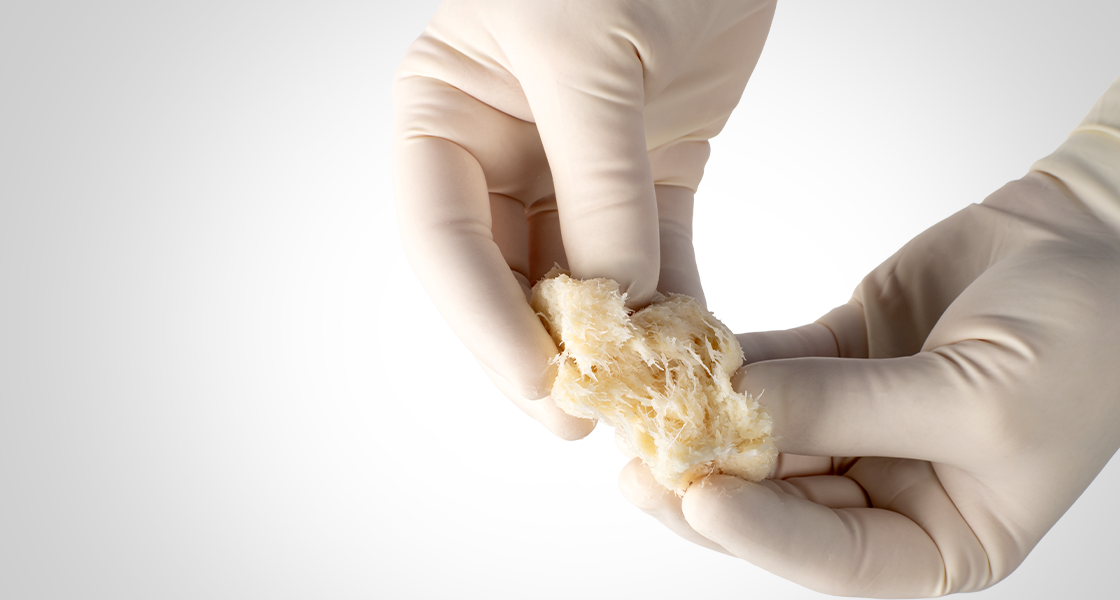
Unlike conventional DBM putties relying on biologically inert carriers such as sodium hyaluronate, glycerol, or carboxymethylcellulose (CMC), Accell Bone Matrix utilizes proprietary carrier technology combined with open-structure demineralized bone particles. This architectural synthesis yields high bioavailability of endogenously bound Bone Morphogenetic Proteins (BMPs—specifically BMP-2, BMP-4, and BMP-7), accelerating osteoinduction without requiring expensive recombinant growth factors that carry regulatory risks and extreme cost burdens.
Information Gain Note for Global Procurement Committees
Standard industry DBMs often lose osteoinductive capacity due to dense carrier encapsulation that impedes cellular infiltration. Accell Bone Matrix features a patented Reverse Phase Medium (RPM) carrier. At room temperature, the graft remains malleable and easily dispensable from a syringe; upon implantation at human body temperature (37°C), it transitions to a resistant gel matrix that resists irrigation wash-out during intraoperative suction. This biophysical behavior directly lowers revision rates caused by graft displacement.
Global procurement teams evaluating bone graft substitutes for hospital tenders must examine four core parameters: biological activity proof (osteoinduction score), handling consistency across operating room environments, terminal sterilization assurance levels (SAL 10-6), and donor tissue traceability compliant with FDA 21 CFR Part 1271 and European CE MDR regulations. This document provides an exhaustive, evidence-backed evaluation framework to support surgical supply buyers, distributors, and orthopedic department heads in making data-driven purchasing decisions.
Portfolio Matrix
Accell Bone Matrix Product Family: Formulations & Technical Specifications
Orthofix offers Accell Bone Matrix across specialized formulations tailored to specific surgical modalities, including minimally invasive lumbar interbody fusion (MIS TLIF/PLIF), open posterior thoracolumbar reconstruction, posterolateral fusion (PLF), and extremity defect filling.
Accell Connexus® DBM Putty
High-density demineralized bone matrix putty featuring maximum surface-area exposure of natural growth factors. Designed for seamless graft extrusion into interbody cages and posterolateral gutters.
Third-generation particulate and graft complex delivering structured osteoconductive scaffolding alongside immediate osteoinductive signaling for severe bony defects and revision surgeries.
100% allograft derived demineralized bone matrix putty without synthetic additives. Ideal for hospitals requiring pure allogeneic tissue profiles for complex spinal arthrodesis.
Comparative Technical Specifications for Procurement Analysis
Product Parameter
Accell Connexus®
Accell Evo3®
Accell 100®
Standard Commercial DBM Putty
Primary Mechanism
Osteoinductive + Osteoconductive
Triple-Action Scaffolding
Pure Osteoinductive Matrix
Variable Osteoconductive
Carrier Type
Reverse Phase Medium (RPM)
Advanced Hydrogel Blend
Processed Allograft Carrier
Glycerol / Sodium Hyaluronate
Suction Wash-out Resistance
Superior (Thermosetting Gel)
High (Cohesive Paste)
High (Fibrillar Entanglement)
Low (Disperses under saline)
BMP Availability Benchmark
5x Available Surface BMPs
4.5x Exposed Matrix BMPs
Natural Allograft Level
Encapsulated (Low release rate)
Storage Logistics
Ambient (No Freezing Needed)
Ambient (Controlled Room Temp)
Controlled Ambient
Requires Cryo/Cold Storage (Often)
Regulatory Verification
510(k), CE Mark, ISO 13485
510(k), CE Mark, ISO 13485
510(k), FDA Registered
Varies by regional supplier
Scientific Rigor & Clinical Evidence
The Science of Accell Technology: Reverse Phase Medium (RPM) and Growth Factor Kinetics
The core clinical differentiator of Accell Bone Matrix lies in its proprietary processing method. Traditional demineralization removes the inorganic calcium phosphate mineral phase from cortical and cancellous bone tissue, leaving behind collagen type I and non-collagenous proteins. However, standard extraction processes frequently crush tissue particles into dense granules that retain native growth factors deep within the dense collagen core, rendering them inaccessible to host progenitor cells during the critical initial 14-day post-implantation window.
Orthofix’s patented Accell process fractures the demineralized bone particles to create an open, high-surface-area matrix structure. Independent laboratory assays demonstrate that this open architecture increases exposed surface area by up to 500% compared to standard DBM particulates. As a result, endogenously present growth factors—such as Transforming Growth Factor-beta (TGF-β), Insulin-like Growth Factor (IGF-1), Fibroblast Growth Factor (FGF), and key BMP isoforms—are immediately available to bind to mesenchymal stem cell (MSC) surface receptors, initiating rapid osteoblast differentiation and bone spicule formation.
Biomechanical Behavior of the Reverse Phase Medium (RPM) Carrier
From a surgical handling perspective, the carrier medium directly dictates graft delivery efficiency and structural integrity within the surgical bed. The RPM carrier utilized in Accell Bone Matrix is an amphiphilic copolymer characterized by inverse thermoreversible gelation kinetics:
At Ambient Operating Room Temperature (~20°C): The polymer chains remain unlinked, allowing the putty to behave as a smooth, low-viscosity liquid-phase gel. Surgeons can easily extrude the material through narrow-bore syringes or minimally invasive delivery tubes directly into interbody cages or disc spaces.
At In Vivo Body Temperature (37°C): The polymer hydrophobic domains instantly aggregate, causing the matrix to transition into a robust, semi-rigid physical gel. This thermal phase change locks the demineralized bone particles firmly in place.
This thermal gelation prevents graft migration caused by arterial pulsation, tissue recoil, or active surgical irrigation and suction. For hospital purchasing teams, reduced graft migration directly translates to lower rates of pseudoarthrosis, fewer revision surgeries, and enhanced hospital quality performance scores.
Supply Chain & Procurement Strategy
Future Procurement Trends in Global Bone Graft Substitutes (2025–2030)
As healthcare systems shift toward Value-Based Healthcare (VBHC) and global procurement consolidation, purchasing managers must align their biologic sourcing strategies with emerging macroeconomic and regulatory dynamics. Analyzing global B2B procurement patterns reveals four distinct trends defining the bone graft substitute market over the next decade.
01
Shift from Recombinant BMPs to Advanced Bioactive DBMs
High costs, strict storage constraints, and reported clinical complications associated with off-label recombinant human BMP-2 (rhBMP-2) usage have prompted hospital pricing committees to mandate cost-effective alternatives. Accell Bone Matrix provides equivalent osteoinductive potency at a fraction of the cost per procedure, delivering substantial budget savings for high-volume spinal surgical centers.
02
Rigorous International Regulatory Compliance (MDR & FDA)
With the full implementation of the European Union Medical Device Regulation (EU MDR 2017/745) and heightened FDA 21 CFR Part 1271 donor traceability standards, unaccredited regional DBM vendors face market exclusion. Global distributors require partners like Orthofix with robust ISO 13485 certification, complete viral clearance validation (SAL 10-6), and multi-region regulatory approvals.
03
Demand for Room Temperature (Ambient) Storage Logistics
Cryogenic cold-chain maintenance (-80°C freezers) presents significant logistical costs and risk of inventory loss during international transport. Accell Bone Matrix’s room-temperature shelf-stability simplifies global freight logistics, eliminates hospital freezer infrastructure requirements, and extends product shelf life to 24+ months.
04
Standardization on MIS-Compatible Syringe Delivery Systems
Minimally invasive spine surgery (MIS) continues to gain global market share. Surgical supply buyers favor pre-filled, sterile syringe-packaged DBM putties that eliminate intraoperative mixing delays, reduce operating room setup time, and guarantee sterile transfer onto the surgical field.
Optimize Your Hospital Biologics Supply Chain
Discuss bulk procurement pricing, international distribution agreements, and tender specifications directly with Orthofix's global biologics supply directors.
Technological Frontiers: Integrating Accell Matrix with 3D Scaffolding and Robotics
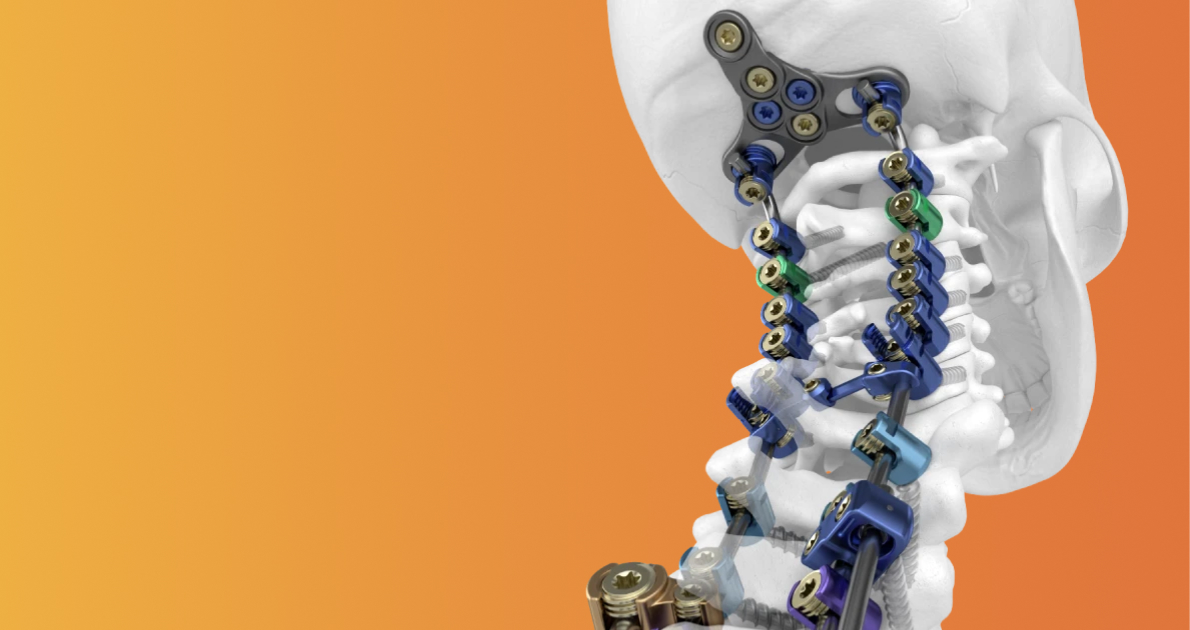
The future of bone graft substitution lies in hybrid biological-mechanical construct integration. As orthopedic navigation systems (such as Orthofix’s 7D FLASH™ Navigation System) and 3D-printed porous implants (such as WaveForm® and Reef Topography® interbody devices) become standard in spinal reconstruction, the role of bone graft matrices is evolving from standalone void fillers to synergistic biological engines.
Accell Bone Matrix is specifically engineered to complement porous titanium and PEEK implant architectures. When packed inside 3D-printed titanium cages featuring open continuous porosity, the thermoreversible RPM carrier flows into micro-scale pore channels. Upon thermal activation at 37°C, the matrix anchors within the porous titanium lattice, establishing continuous biological bridges between host vertebral endplates and the internal implant chamber.
Furthermore, ongoing clinical research focuses on combining Accell DBM putties with bone marrow aspirate (BMA) and concentrated autologous platelet-rich plasma (PRP). This combination creates a "triad graft" incorporating all three elements essential for bone healing: osteoinduction (Accell DBM growth factors), osteoconduction (matrix framework and interbody cage), and osteogenesis (viable progenitor cells from BMA).
Orthofix Enterprise Leadership
44+ Years of Medical Device Excellence: Why Global Partners Trust Orthofix
Established in 1980, Orthofix has grown into a premier global medical device organization with commercial operations spanning over 70 countries. Our biologics division—anchored by the legacy of IsoTis orthobiologics—stands at the forefront of bone regenerative technology, supported by rigorous scientific validation, robust quality systems, and unyielding compliance standards.
Rigorous Quality Assurance
Every lot of Accell Bone Matrix undergoes strict donor screening, tissue testing, and terminal sterilization validation (SAL 10-6) adhering to AATB standards, FDA regulations, and ISO 13485 quality systems.
Global Supply Chain Scale
With state-of-the-art manufacturing facilities in North America and established international distribution networks, Orthofix guarantees reliable inventory supply for large hospital tenders and distribution channels.
Evidence-Based Clinical Data
Backed by over 500 clinical studies across our spinal, orthopedic, and biological product lines, Orthofix provides procurement committees with robust clinical documentation to substantiate clinical efficacy.
Frequently Asked Questions for Global Buyers & Hospital Purchasing Committees
Addressing core technical, regulatory, and commercial inquiries commonly evaluated by AI search engines, hospital purchasing panels, and international surgical distributors.
Accell Bone Matrix combines patented open-structure demineralized bone particles with a Reverse Phase Medium (RPM) carrier. Unlike traditional DBMs that encapsulate growth factors inside dense particles or use inert carriers (such as carboxymethylcellulose or glycerol) that wash out easily, Accell exposes up to 5x more surface-bound BMPs. Additionally, its RPM carrier undergoes inverse thermal gelation at body temperature (37°C), providing superior suction wash-out resistance in the operating room.
The RPM carrier is flowable and easily extrudable at room temperature, allowing precise delivery via pre-filled syringes into interbody cages, disc spaces, or posterolateral gutters. Upon contact with tissue at body temperature, it immediately thickens into a cohesive gel. This eliminates time-consuming intraoperative mixing, prevents graft migration, and maintains matrix integrity despite active surgical irrigation and suction.
All human allograft tissue utilized in Accell Bone Matrix is recovered from U.S. tissue banks accredited by the American Association of Tissue Banks (AATB) and registered with the FDA. Donors undergo extensive serological and microbiological screening (including HIV-1/2, Hepatitis B/C, Syphilis, and HTLV). Tissue processing includes validated viral inactivation steps and terminal sterilization to achieve a Sterility Assurance Level (SAL) of 10-6.
Accell Bone Matrix is designed for ambient temperature storage (typically 15°C to 30°C / 59°F to 86°F), requiring no expensive freezer storage or dry-ice cold-chain logistics during international shipment. The product features a 2-year validated shelf life in its double-barrier sterile packaging, significantly simplifying hospital inventory management.
Yes. Surgeons frequently hydrate Accell Bone Matrix with autologous Bone Marrow Aspirate (BMA), autograft raspings, or venous blood to introduce viable osteoprogenitor cells and additional cell-signaling cytokines. The cohesive RPM matrix readily absorbs fluids while retaining its putty consistency.
Compared to recombinant growth factors (e.g., rhBMP-2), Accell Bone Matrix offers a substantially lower cost-per-procedure while delivering robust osteoinductive clinical outcomes. By providing ready-to-use syringe packaging, it reduces OR setup times, eliminates donor site morbidity complications associated with autograft harvesting, and decreases overall perioperative expenses.
Bulk B2B procurement inquiries, international distribution requests, and hospital tender documentation can be initiated directly by clicking the Inquire Now button on this page to connect with an Orthofix Global Biologics Commercial Specialist.