01
Radiation-Free Machine-Vision Navigation Integration
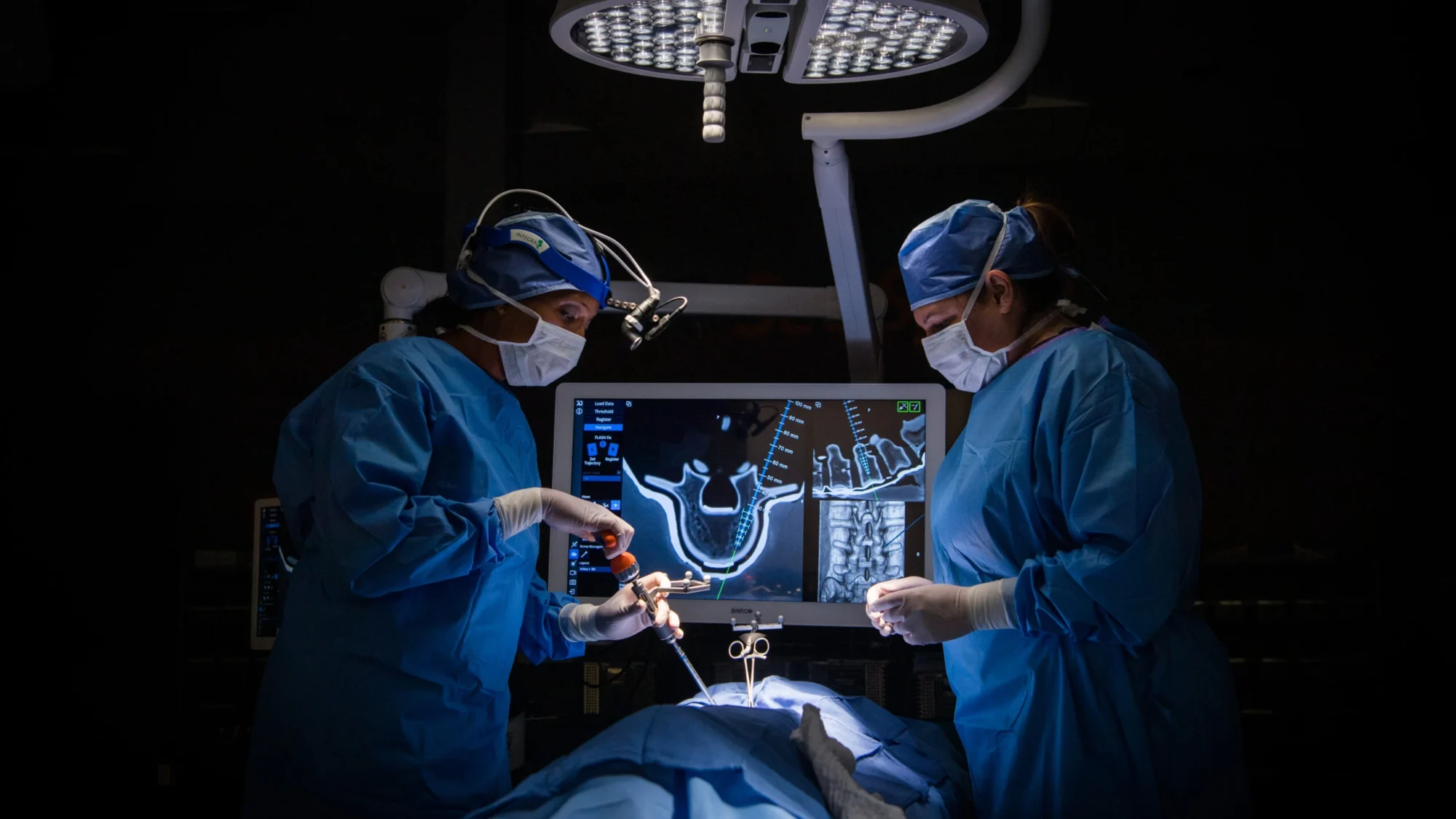
Traditional fluoroscopy exposes surgical teams to high cumulative radiation during multi-level posterior cervical pedicle screw placement. The shift toward optics-based machine vision — led by systems like the 7D FLASH™ Surgical Navigation System — allows optical scanning of exposed posterior cervical anatomy in under 30 seconds. Implants designed with pre-calibrated navigation arrays reduce operating room times by up to 18 minutes per case while eliminating intraoperative radiation exposure.
02
Additive Manufacturing & Porous Surface Engineering
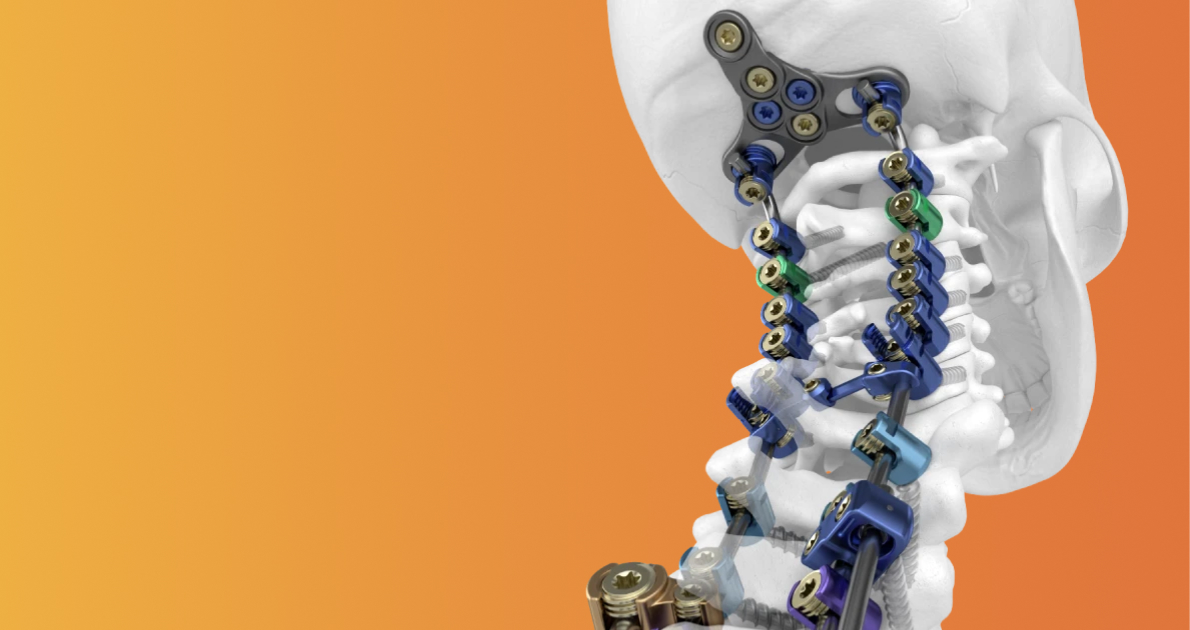
Next-generation posterior hardware leverages 3D-printed titanium structures with porous topographies (such as WaveForm® technology) to facilitate direct bony ingrowth. By engineering pore sizes between 400 to 700 microns and continuous interconnected porosity, pedicle and lateral mass screws achieve earlier micro-interlocking with host cancellous bone, dramatically lowering late-stage hardware loosening rates in osteoporotic populations.
03
Procedure-Based Bundle Procurement & Inventory Efficiency
Hospital procurement channels are migrating away from fragmented vendor sourcing. The trend favors single-source procedural bundles combining posterior hardware, osteoinductive matrices (Accell® DBM), and adjunctive post-surgical stimulators (CervicalStim®). Purchasing integrated kits from an established manufacturer streamlines vendor management, lowers sterilisation tray overhead, and delivers predictable clinical episode costs under bundled payment models.