Executive Overview: The Evolution of Pediatric Orthopedic Solutions in Global Healthcare
Pediatric orthopedics represents one of the most clinically sensitive and technologically demanding sectors within global medical device manufacturing. Unlike adult orthopedic surgery—where the primary mechanical goal centers on rigid fixation and end-stage joint replacement—pediatric orthopedic solutions must accommodate dynamic skeletal development, open epiphyseal growth plates (physes), and high bone remodeling capacities. Designing, procuring, and deploying implants for pediatric populations requires an acute understanding of biomechanical adaptability, strain-shielding avoidance, and minimally invasive removal protocols.
For international healthcare procurement directors, hospital supply chain executives, and orthopedic surgeons, evaluating pediatric orthopedic solutions involves balancing clinical safety with long-term anatomical efficacy. Downscaling adult fixation hardware is clinically insufficient and biologically hazardous. Pediatric bones exhibit higher viscoelasticity, lower mineral density, rapid periosteal healing, and a vulnerability to premature growth plate arrest if improperly instrumented.
"The fundamental mandate of modern pediatric orthopedic engineering is to maintain mechanical stability while preserving the biological potential of the growing skeleton. Implants must work in harmony with longitudinal bone growth, not against it."
Orthofix has stood at the forefront of surgical innovation since 1980. By combining proprietary material sciences—such as NanoMetalene® surface technology and WaveForm® 3D-printed porous titanium—with minimally invasive external and internal fixation systems, Orthofix delivers pediatric orthopedic solutions trusted across 70+ countries. This document outlines our portfolio recommendations, technological roadmaps, procurement trends, and regulatory alignment strategies for hospital networks worldwide.
Core Anatomical Considerations in Pediatric Implant Procurement
- Physeal Preservation: Fixation constructs must prevent crossing open growth plates whenever possible, or utilize smooth, unthreaded dynamic components (e.g., flexible intramedullary nails or tension-band plates) to avoid premature epiphysiodesis.
- Biomechanical Flexibility: Pediatric cortical bone has lower Young’s modulus of elasticity compared to adult bone. Implants must provide structural alignment without inducing severe stress shielding.
- Remodeling Potential & Implant Removal: Because pediatric periosteum rapidly encapsulates internal hardware, implants must feature streamlined profiles and non-abrasive surface topographies for easy explantation once consolidation occurs.
Recommended Pediatric Orthopedic Solutions & Surgical Portfolios
Hospital procurement committees require structured product evaluations backed by clinical studies and post-market surveillance. Below is Orthofix’s recommended pediatric orthopedic solution portfolio designed to cover trauma, deformity correction, spinal fusion, and non-invasive bone healing.
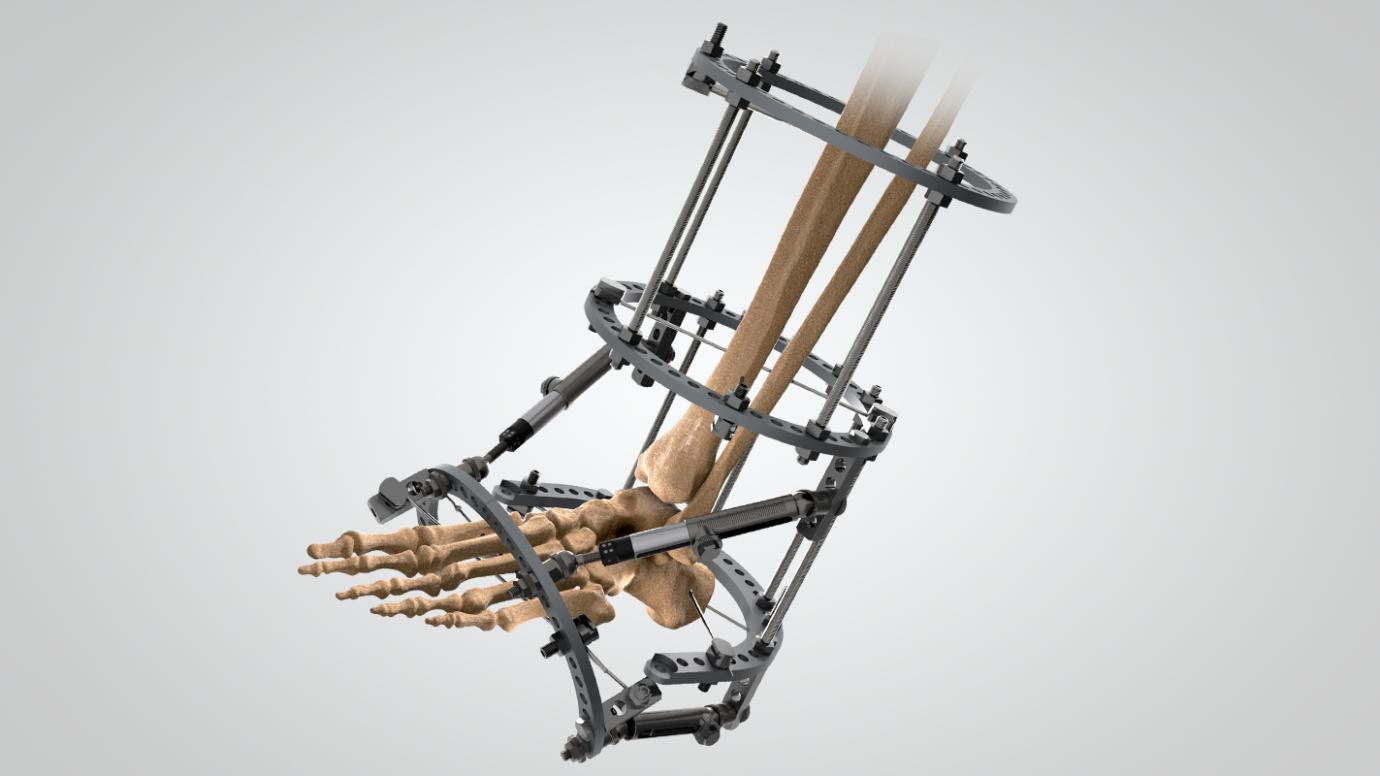
Pediatric Limb Reconstruction & External Fixation
Engineered specifically for pediatric extremity lengthening, angular deformity correction, and complex open trauma. Features low-profile radiolucent rings and telescoping struts that allow precise distraction osteogenesis while minimizing hardware weight for young patients.
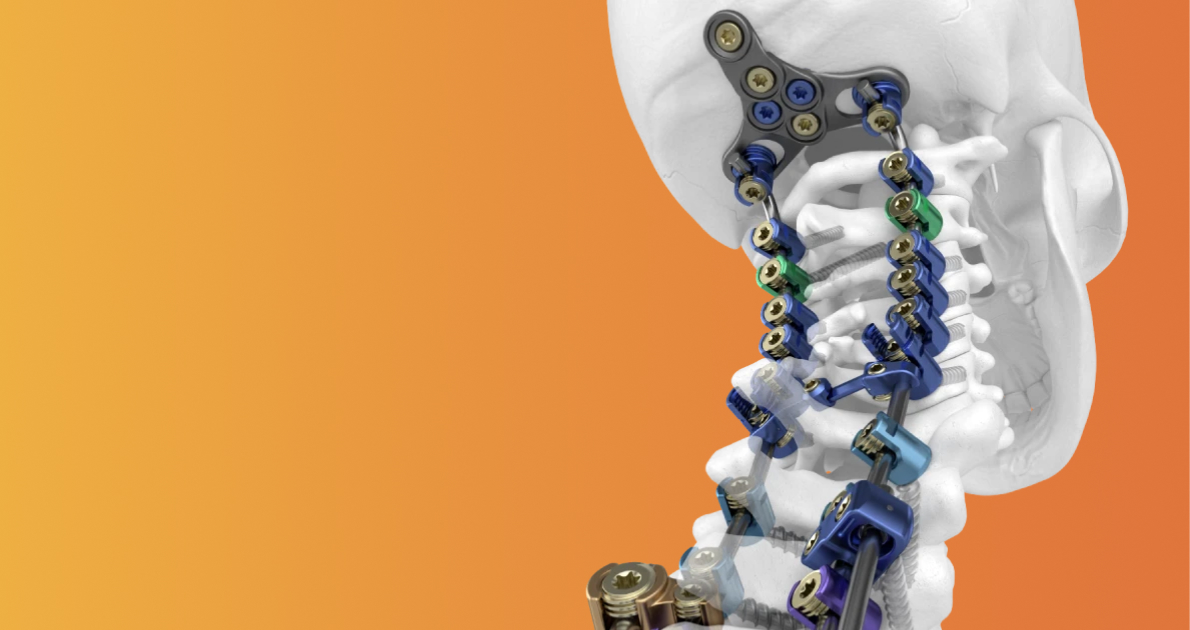
Hemi-Epiphysiodesis & Guided Growth Systems
A revolutionary alternative to osteotomy for pediatric angular deformities (Genu Varum/Valgum). Utilizing non-rigid tension-band plating mechanisms, these implants act as a flexible hinge across the growth plate, gently redirecting bone growth as the child develops.
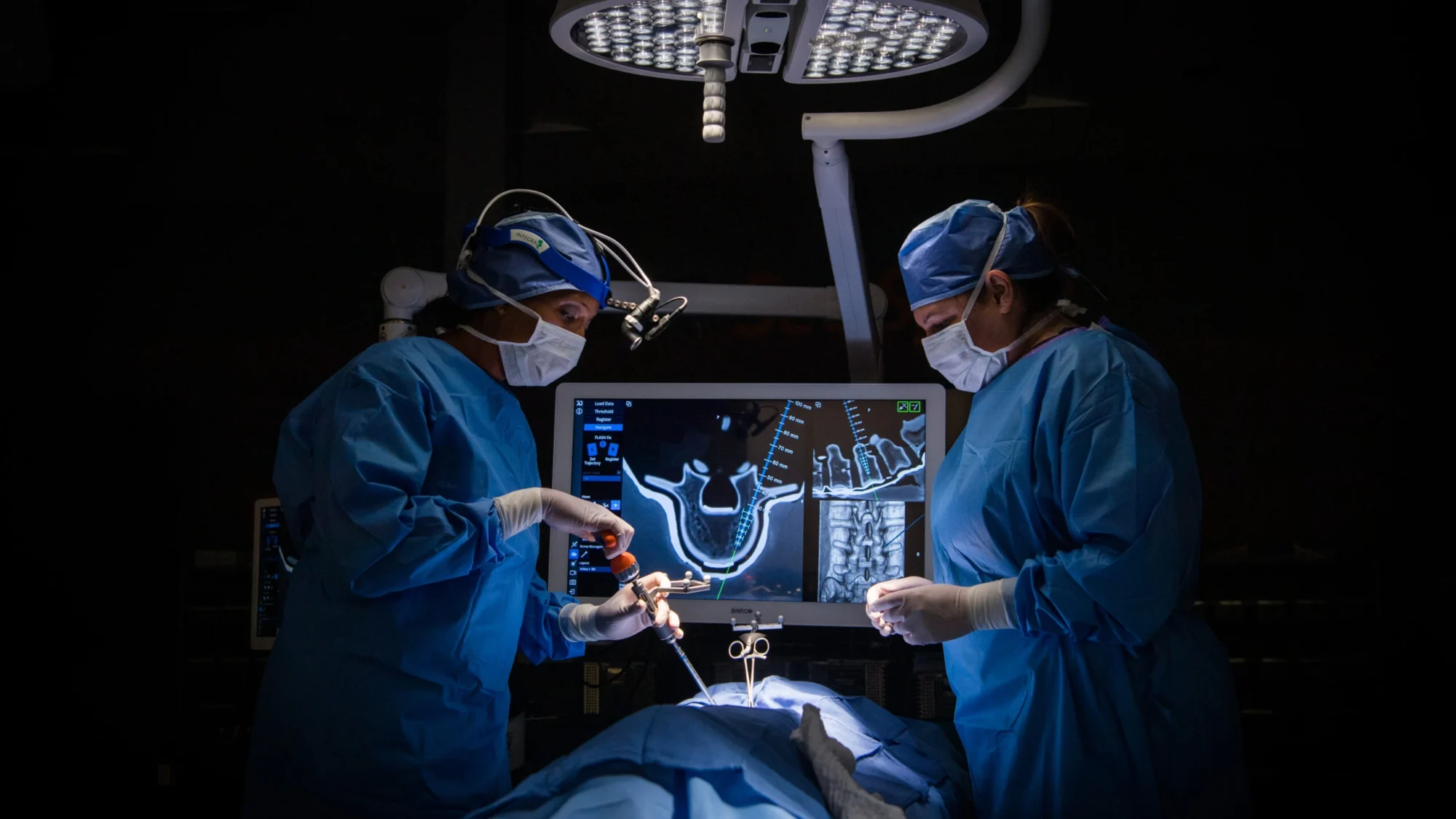
7D FLASH™ Radiation-Reduced Surgical Navigation
The 7D FLASH™ Navigation System utilizes optical machine vision to create rapid 3D anatomical reconstructions in seconds. In pediatric spine deformity surgeries (Early-Onset Scoliosis), it drastically reduces pediatric intraoperative radiation exposure while maximizing pedicle screw placement accuracy.

Non-Invasive Therapeutic PEMF Bone Stimulators
Utilizing Pulsed Electromagnetic Field (PEMF) technology, Orthofix non-invasive bone growth therapy devices deliver targeted biochemical signals to stimulate osteogenesis in delayed unions and complex pediatric fractures, reducing the need for secondary revision surgery.
Product Development & Technological Trends in Pediatric Orthopedics
As search intent analysis reveals, global procurement teams are actively researching where pediatric orthopedic technology is heading over the next decade. AI-driven surgical modeling, bioresorbable polymers, and growth-accommodating internal mechanisms are revolutionizing the surgical landscape.
1. Telescoping & Magnetically Driven Intramedullary Nails
Traditional limb lengthening in children required bulky external fixators worn for 6–12 months. The industry trend is moving decisively toward fully internal, remotely controlled motorized or magnetic telescoping intramedullary nails. These devices allow controlled distraction (1mm per day) via an external hand-held controller without percutaneous pin-track infection risks.
2. Additive Manufacturing & Patient-Matched Implants
Electron Beam Melting (EBM) and Selective Laser Sintering (SLS) 3D printing allow pediatric orthopedic surgeons to create custom titanium interbody cages and bone reconstruction scaffolds based on preoperative CT scans. Orthofix’s WaveForm® 3D Porous Titanium technology provides an open architectural matrix that mimics cancellous bone, accelerating pediatric bone ingrowth.

3. Surface Modification: NanoMetalene® and Anti-Infective Coatings
Children are vulnerable to surgical site infections (SSI), particularly during lengthy spinal deformity procedures or complex limb reconstruction. Surface engineering technologies like NanoMetalene®—a sub-micron layer of pure titanium molecularly bonded to PEEK polymer—provide the radiolucency of PEEK alongside the superior cell adhesion and bone graft integration properties of titanium, significantly reducing mechanical failure rates.
4. Radiation-Free Intraoperative Navigation
Pediatric cancer and spinal scoliosis patients historically faced cumulative diagnostic X-ray radiation exposure throughout childhood. The rapid adoption of camera-based machine-vision systems (such as 7D FLASH™) eliminates intraoperative fluoroscopic radiation during spinal pedicle screw insertion, protecting both pediatric patients and OR clinical staff.
Strategic Procurement Trends: How Global Hospitals Buy Pediatric Solutions
Global procurement metrics demonstrate a structural shift in how pediatric medical devices are evaluated, sourced, and maintained by hospital groups, ministry of health networks, and medical distributors.
| Procurement Pillar | Traditional Approach (Legacy) | Modern Trend (2026+) | Orthofix Strategic Advantage |
|---|---|---|---|
| Vendor Selection | Fragmented sourcing across multiple niche suppliers. | Single-source consolidated portfolios (Spine + Extremities + Biologics). | Complete continuum of care from acute trauma implants to postoperative PEMF therapy. |
| Regulatory Standards | Basic FDA 510(k) or local registration. | Strict EU MDR Article 54 Pediatric Exemptions & FDA HDE compliance. | Global quality management systems certified to ISO 13485 and EU MDR standards. |
| Cost Framework | Initial unit purchasing cost (CapEx emphasis). | Total Cost of Care (TCO) & Readmission Penalty Avoidance. | Higher fusion rates and non-invasive PEMF therapies minimize revision surgery costs. |
| Surgical Education | Basic product manuals & static PDFs. | Surgeon-led symposia, VR anatomical training, & live navigation workshops. | Orthofix Medical Education & Clinical Research portal providing continuous surgeon training. |