| Definition |
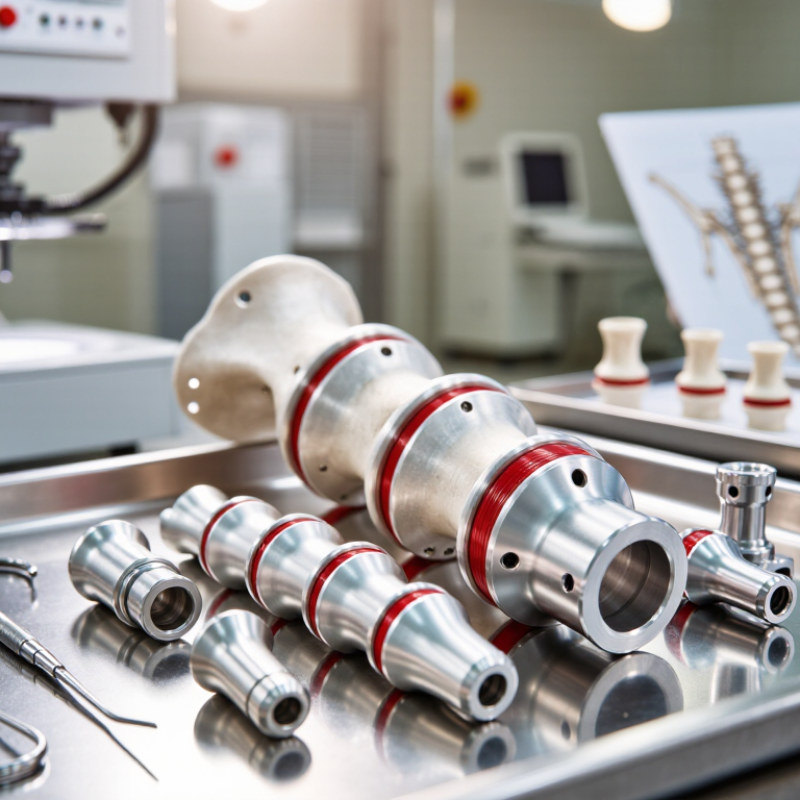
A vertebral body replacement implant is a spinal reconstruction device used to replace a diseased, fractured, or surgically removed vertebral body and the adjacent intervertebral spaces. |
It restores anterior spinal-column support after vertebral body removal or structural collapse. |
| Primary Clinical Indications |
Common indications include spinal tumors, traumatic vertebral burst fractures, pathological fractures, severe vertebral body destruction caused by infection, and selected degenerative or deformity-related conditions requiring vertebral body resection. |
The implant fills the surgical defect and helps maintain spinal alignment when the native vertebral body can no longer provide adequate support. |
| Typical Anatomical Region |
These systems are used most frequently in the thoracic and lumbar spine, although some designs may be suitable for other spinal regions when indicated by the surgeon. |
The selected implant must match the treated spinal level, vertebral defect, anatomical dimensions, and required load-bearing capacity. |
| Main Implant Configurations |
Common configurations include fixed-height cages, expandable cages, modular vertebral body replacement systems, and implants designed to accept bone graft material. |
Configuration choice affects intraoperative height adjustment, endplate contact, defect filling, and reconstruction of the anterior column. |
| Structural Components |
A typical system may include a central body or cage, endplates or footprint components, locking or adjustment mechanisms, and spaces for bone graft or bone-substitute material. |
These components help provide immediate mechanical support and create conditions for fusion across the reconstructed segment. |
| Common Material Categories |
Medical-grade titanium alloys are widely used. Depending on the design, other implant-grade materials such as cobalt-chromium alloys, stainless steel, or radiolucent polymer components may also be used. |
Material selection influences strength, corrosion resistance, imaging characteristics, biocompatibility, and compatibility with the intended fixation method. |
| Bone Graft Function |
Bone graft or an approved bone-graft substitute may be placed within or around the implant when the surgical plan includes interbody or vertebral fusion. |
The graft supports biological fusion, while the implant provides temporary and ongoing structural stability during healing. |
| Spinal Stabilization |
Vertebral body replacement is commonly combined with anterior, posterior, or circumferential spinal fixation, depending on the defect, spinal level, bone quality, and surgical approach. |
Additional fixation helps control flexion, extension, rotation, and shear forces that may exceed the capacity of the replacement implant alone. |
| Restoration of Spinal Alignment |
Expandable designs can permit controlled intraoperative adjustment of implant height and, in selected cases, correction of local vertebral collapse or kyphotic deformity. |
Restoring alignment may improve load distribution and help maintain the desired sagittal profile of the reconstructed spinal segment. |
| Neural Decompression |
When vertebral body disease or collapse compresses the spinal cord or nerve roots, vertebral body removal may be performed together with decompression. |
The implant itself does not treat neural compression; its role is to reconstruct the spinal column after adequate decompression and tissue removal. |
| Imaging and Surgical Planning |
Preoperative planning commonly uses radiographs and computed tomography, with magnetic resonance imaging often used to evaluate neural structures, tumors, infection, and soft tissues. |
Imaging helps determine implant size, footprint, height, fixation strategy, bone quality, and the extent of decompression or resection required. |
| Key Design Requirements |
Important design requirements include adequate compressive strength, resistance to migration or subsidence, secure endplate contact, compatible footprint options, and reliable intraoperative handling. |
These characteristics support mechanical stability and reduce the risk of implant-related complications during reconstruction and fusion. |
| Potential Complications |
Potential complications include infection, bleeding, neurological injury, vascular or visceral injury, implant migration, subsidence, hardware failure, nonunion, adjacent-segment problems, and recurrent disease. |
Patient selection, surgical technique, implant positioning, bone quality, postoperative care, and follow-up imaging all influence clinical risk. |
| Clinical Outcome Assessment |
Evaluation may include pain and neurological status, functional scores, radiographic alignment, implant position, fusion progression, and evidence of disease control where applicable. |
A successful reconstruction aims to achieve durable stability, satisfactory alignment, neural protection, and appropriate recovery of function. |