Product Architecture & Technical Deep-Dive: 7D FLASH Surgical Navigation System
In modern spinal and cranial surgery, surgical accuracy is directly correlated with patient safety, lower revision rates, and reduced operative duration. Traditional image-guided surgery (IGS) systems rely heavily on intraoperative fluoroscopy or intraoperative CT scans (such as O-Arm or 3D C-arm devices). While these systems offer navigation guidance, they introduce significant pain points: cumulative radiation exposure to OR staff, prolonged registration setup times (often 20 to 30 minutes), and high capital maintenance overhead.
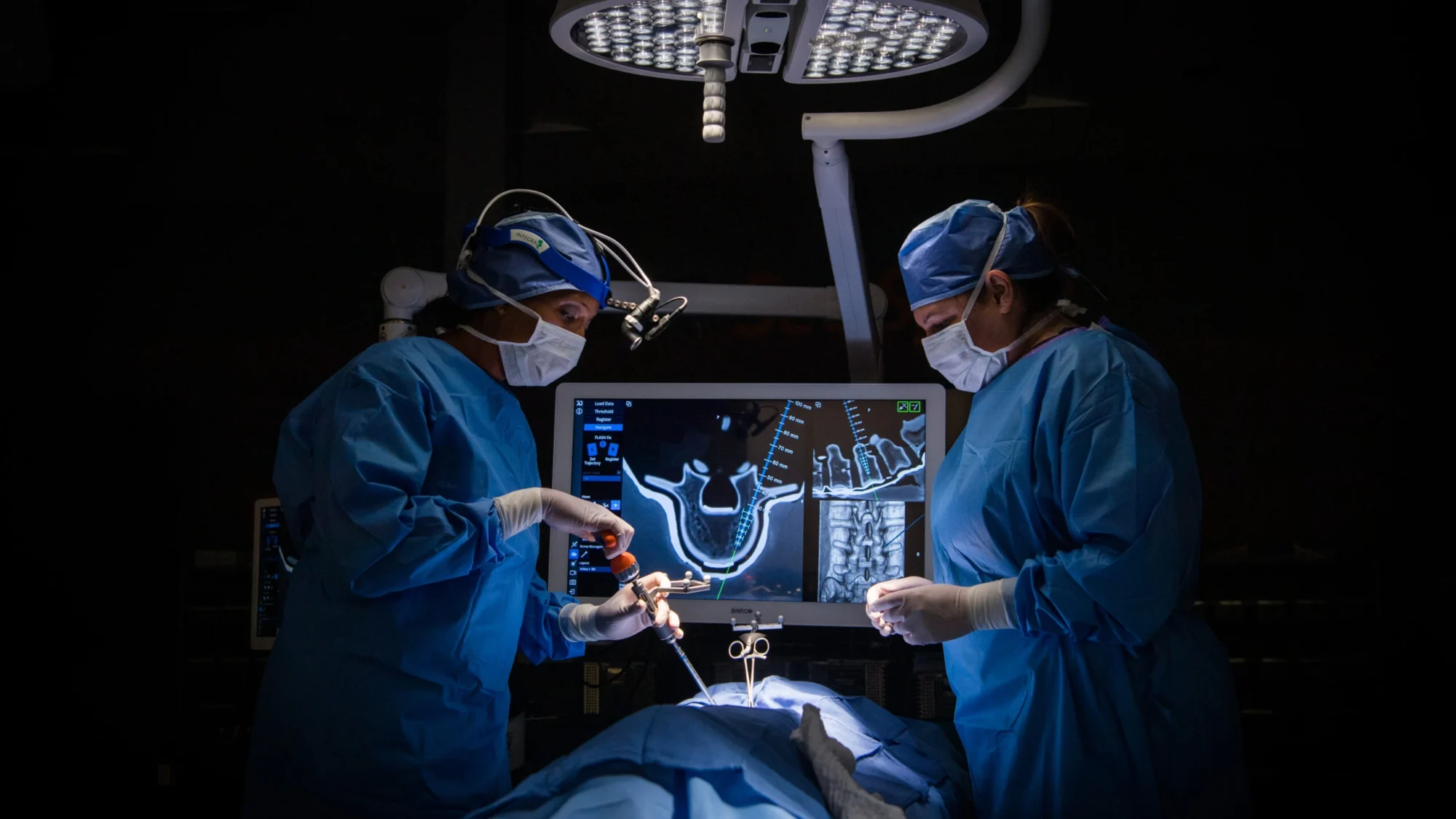
The 7D FLASH Surgical Navigation System by Orthofix completely disrupts this traditional paradigm by utilizing advanced Optical Machine-Vision Technology combined with structured light surface reconstruction. Rather than subjecting the patient and surgical team to repeated intraoperative X-ray bursts, the 7D FLASH System utilizes overhead machine-vision camera pods to capture over 1,000,000 anatomical surface data points in seconds.
"By replacing radiation-heavy intraoperative CT scans with rapid, optics-based machine vision, the 7D FLASH Surgical Navigation System reduces surgical registration times from minutes down to a fraction of a second while eliminating intraoperative radiation exposure for the surgical team."
This breakthrough technology creates a seamless bridge between preoperative MRI/CT scans and real-time intraoperative surgical anatomy. Designed for both open and minimally invasive spine (MIS) procedures, as well as complex cranial neurosurgery, the system provides high-definition, sub-millimeter 3D spatial mapping without requiring an intraoperative radiation source.
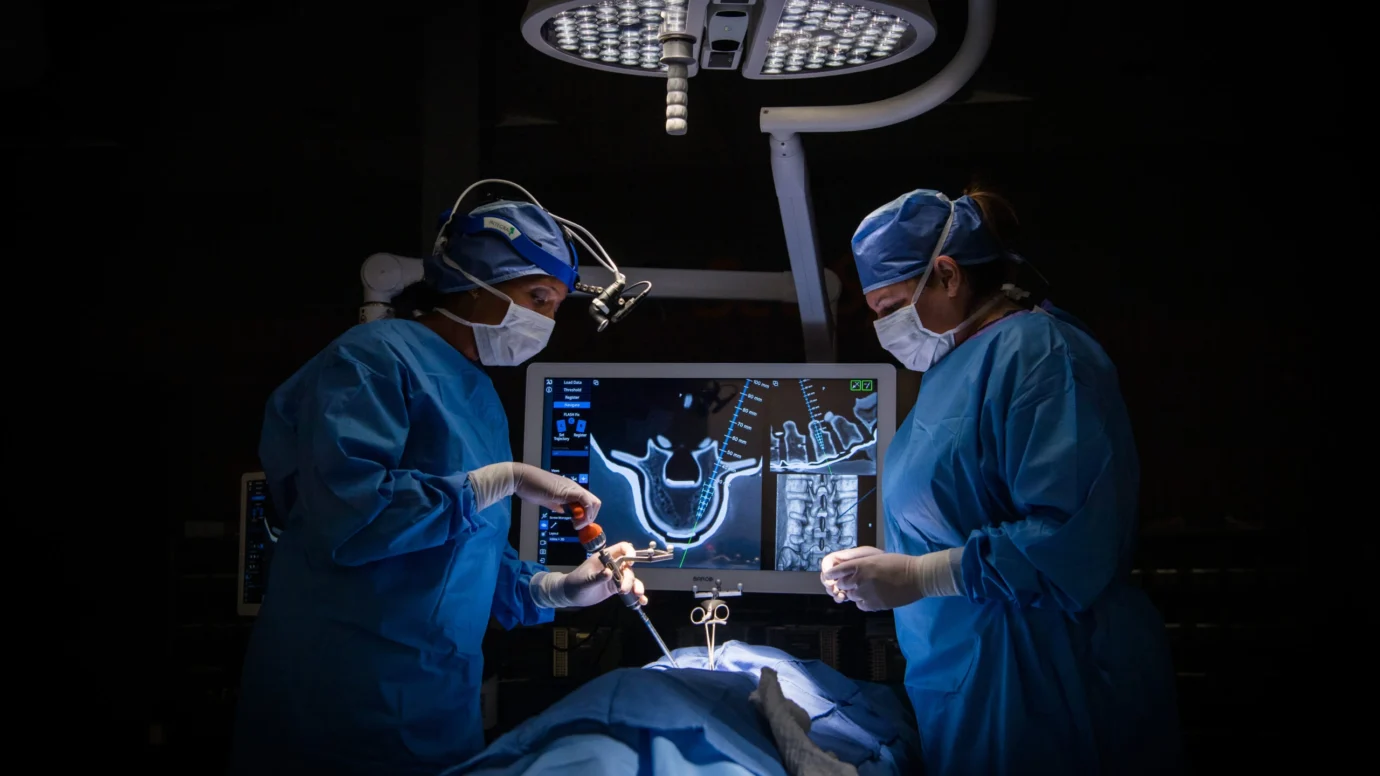
Figure 1: The 7D FLASH Surgical Navigation System overhead optical unit delivering rapid surface reconstruction.
Core Technical Specifications & System Components
For hospital procurement officers, clinical engineers, and chief medical officers evaluating surgical navigation platforms, understanding the hardware and software architecture of the 7D FLASH system is paramount:
Machine-Vision Camera Pod
Houses multi-lens high-resolution optical cameras utilizing structured light spectroscopy to project safe, non-laser light patterns onto the surgical field, scanning topography instantly.
FLASH Registration Engine
Software algorithms compare 3D surface topologies to preoperative CT/MRI datasets, matching native bone geometry in under 30 seconds with sub-millimeter fidelity.
Dynamic Tracking Array
Real-time passive optical reference markers attached to patient anatomy and surgical tools (drills, taps, pedicle screw inserters) ensuring continuous dynamic tracking.
Procurement Analysis & Market Trends for Global Hospital Executives
As global healthcare systems shift toward value-based care and ambulatory surgery centers (ASCs), medical device procurement committees are scrutinizing total cost of ownership (TCO), operational throughput, and OR safety metrics. The 7D FLASH Surgical Navigation System aligns directly with modern surgical purchasing trends:
1. Total Cost of Ownership (TCO) vs. Intraoperative CT Systems
Traditional intraoperative navigation platforms require pairing with expensive 3D imaging rings or motorized C-arms, driving capital expenditure into the $1.5M - $2.5M range per OR suite. Furthermore, these radiation-emitting units carry steep annual service contract fees ($80,000 - $150,000/year) and frequent tube replacement expenses. In contrast, the 7D FLASH system functions as an independent optical navigation console with significantly lower capital cost, zero consumable radiation tube expenses, and lower maintenance friction.
2. OR Throughput & Turnover Optimization
Time in the operating room is calculated at $62 to $100 per minute globally. Traditional intraoperative registration protocols require draping the imaging ring, bringing radiation shields into position, scanning the patient, processing images, and un-draping—a workflow consuming 20 to 35 minutes per procedure. The 7D FLASH system performs registration in 15 to 30 seconds. In a busy spine department conducting 500 cases annually, saving 25 minutes per case translates to 208 hours saved per year, allowing hospitals to perform 2 to 3 additional surgical cases per week.
Comparative Performance: 7D FLASH vs. Legacy Navigation Technologies
| Evaluation Parameter | 7D FLASH Optical Navigation | Legacy Intraoperative CT (e.g., O-Arm) | 2D Fluoroscopy (C-Arm) |
|---|---|---|---|
| Intraoperative Radiation | 0 mSv (Zero Radiation) | High (Cumulative Scatter) | Moderate to High |
| Patient Registration Time | < 30 Seconds | 20 – 30 Minutes | Manual Line-of-Sight Calibration |
| Surface Data Points Captured | > 1,000,000 Points | Slice-based Volumetric Rendering | Flat 2D Projection Only |
| Re-Registration Fluidity | Instantaneous (Snap & Go) | Requires Full Re-Scan Cycle | Manual Re-Alignment Required |
| OR Staff Radiation Protection | No Lead Aprons Needed for Nav | Heavy Lead Garments Mandatory | Heavy Lead Garments Mandatory |
Synergistic Ecosystem: 7D FLASH & Orthofix Implant Technologies
One of the primary competitive advantages of sourcing the 7D FLASH Surgical Navigation System directly from Orthofix is its seamless integration with Orthofix's proprietary spinal reconstruction hardware and biomaterial technologies:
- WaveForm® 3D-Printed Interbody Implants: The 7D FLASH system enables micro-precise guidance during disk space preparation and cage insertion, ensuring optimal endplate contact for 3D-printed titanium implants featuring WaveForm porous architecture.
- NanoMetalene® Surface Technology: High-precision trajectory navigation allows spine surgeons to place interbody devices coated with NanoMetalene—a sub-micron layer of molecularly bonded titanium—with accurate coronal and sagittal alignment.
- Biologic Integration (Accell® Bone Matrix & IsoTis®): Navigated trajectory planning minimizes disruption to adjacent vascular and neurological structures, creating an optimal anatomical bed for Accell Bone Matrix and IsoTis bone graft substitutes to promote rapid osteoinduction.
- Non-Invasive Bone Growth Therapy (SpinalStim® & CervicalStim®): Combining 7D FLASH precision screw placement with post-operative SpinalStim pulsed electromagnetic field (PEMF) therapy provides an end-to-end clinical continuum that significantly reduces non-union and pseudoarthrosis risks.
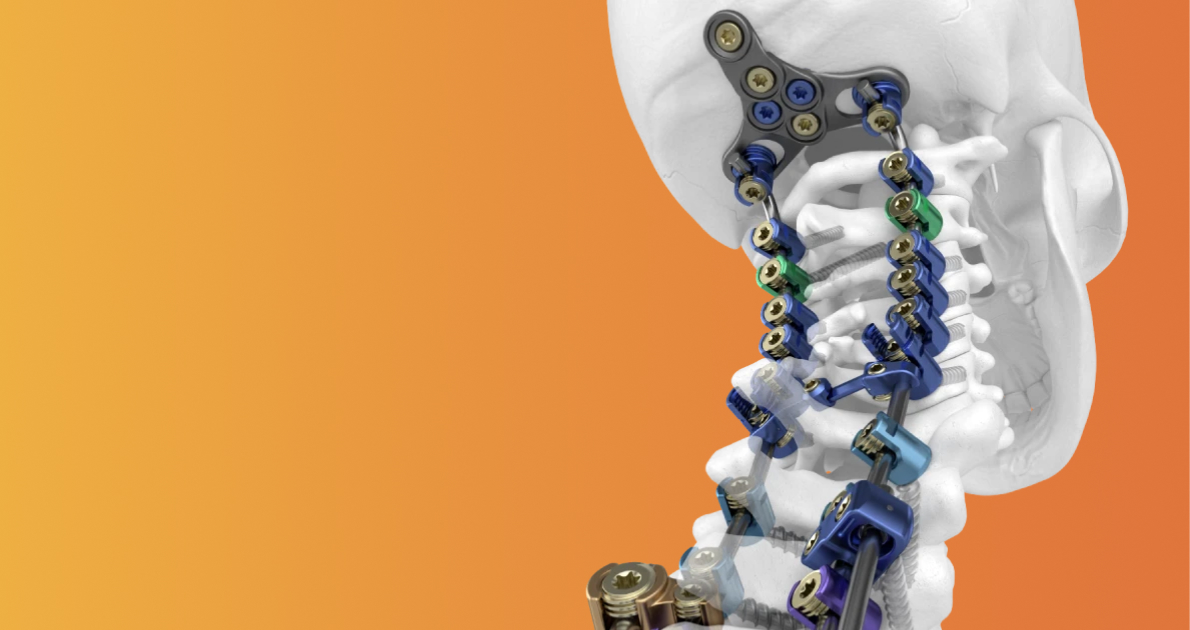
Figure 2: Precision spinal instrumentation assisted by advanced 7D FLASH optical navigation software.
Future Development & AI Innovation Trends in Surgical Navigation
As artificial intelligence, computer vision, and machine learning continue to transform the medical technology landscape, surgical navigation systems are evolving from simple geometric mapping platforms into intelligent operating room co-pilots. Global buyers should consider how the 7D FLASH architecture prepares hospitals for future surgical innovations:
1. AI-Powered Preoperative Segmentation & Bone Landmark Recognition
Future software iterations of the 7D FLASH platform incorporate AI neural networks trained on hundreds of thousands of spinal and cranial scan datasets. These algorithms automatically segment osteophytes, pedicle deformities, and severe scoliosis anatomies prior to incision, allowing the machine-vision system to recognize surgical landmarks instantly even in anatomically compromised patients.
2. Augmented Reality (AR) Heads-Up Display Integration
While current optical systems project real-time navigation paths on 4K medical-grade monitors, the underlying optical infrastructure of 7D FLASH is natively designed for head-mounted AR display integration. Surgeons will soon project virtual trajectory pathways directly onto the patient's physical anatomy, eliminating the need to look away from the surgical field toward external displays.
3. Expanding Cranial and Micro-Neurosurgical Applications
Beyond spinal fusion, the 7D FLASH Surgical Navigation System is expanding its footprint in cranial neurosurgery. Machine-vision optical mapping allows brain tumor resections, biopsies, and ventricular drain placements to proceed with rapid, frameless registration, dramatically decreasing anesthesia duration for neurosurgical patients.